- Client-centred therapy
- Psychoeducation
- Career and purpose
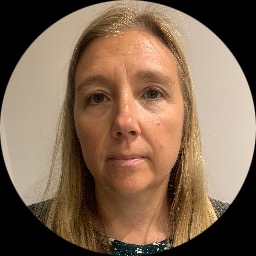
About Kathryn
Kathryn uses a client-centred approach that focuses on building a reliable therapeutic relationship. Sessions are conversational and paced to the individual. She offers clear information about symptoms and practical ways to manage panic, mood shifts and social anxiety as part of the work.
Her practice pays attention to attachment issues, guilt and shame, forgiveness, and questions about life purpose. Kathryn describes a methodical style that includes psychoeducation and reflective discussion so people can better understand their thoughts and feelings. She aims to work at a pace set by the client rather than pushing rapid change.
People who have experienced different forms of trauma or abuse are within her experience, and she includes practical techniques for managing panic attacks and persistent anxiety. Career worries and low confidence are handled through focused conversations and skills practice. Cost varies with location and sessions operate via a cancellable subscription model.
To get started, a person selects the See online therapy options button, completes the short questionnaire, and schedules a first session. Kathryn keeps the initial steps straightforward so someone who feels stuck can begin without extra complexity.
Registration on record
- BACP
- United Kingdom · 403497
As listed on the therapist's profile. Membership can be checked with the professional body named.
Areas of expertise
Primary focus
Additional focus areas
Therapeutic approaches
Experience
3+ years
Credentials
BACP · United Kingdom
Languages
English
Client-centred work and online sessions
Kathryn uses client-centred therapy, which means conversations focus on the individual's experience. The therapist listens without directing the person and helps them make sense of their feelings. This approach is often useful for anxiety, low self-esteem and questions about life purpose.She also incorporates psychoeducation, explaining how symptoms like panic attacks and mood changes happen. This gives practical steps people can try between sessions and helps make sense of what they are experiencing.
Finding the right way of working is part of the process. Kathryn will discuss goals, preferences and what feels workable, and she treats the choice of methods as a collaboration rather than a one-size-fits-all plan.
Session formats are not specified in the biography, so please confirm current options before booking. Online sessions can make it easier to fit therapy into a busy day, reduce travel time and allow a shorter check-in when needed. Many people find it helpful to try an initial session and then agree the most useful rhythm and format for ongoing work.
Frequently asked questions
What kinds of problems does she work with?
She helps people with stress, anxiety, trauma and abuse, self-esteem, career concerns and coping with life changes.
How does she approach feeling stuck?
She uses a client-centred style that focuses on building a therapeutic relationship and pacing sessions to the person's needs.
How much professional experience does she have?
She has three years of professional work experience in the UK.
What professional credential does she hold and where is she based?
She is registered with the BACP and practises in the United Kingdom.
Can I work with her if I live outside the UK?
Yes, she accepts international clients and offers sessions in English.
Which session formats are available?
Please confirm current session options before booking by using the See online therapy options button and the matching questionnaire.
How are sessions priced?
Cost varies with location and sessions use a subscription that can be cancelled at any time.
How do I begin working with her?
Select the See online therapy options button, complete the short matching questionnaire, and schedule your first session.
Good to know
Therapists listed here offer talking therapy online. It is not career, financial or medical advice, and no therapist can promise a particular result.
If you are thinking about harming yourself, or you are in danger, contact a crisis line or emergency services. The numbers are at the foot of this page.