- Relationship issues
- Trauma recovery
- Life purpose questions
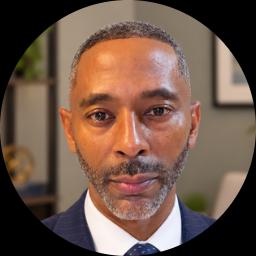
About Paul
In sessions he uses evidence-based therapeutic techniques to help people sort through what feels most urgent. Conversations are practical and goal-minded. Paul helps clients identify patterns that keep them stuck and tests small changes to see what helps in day-to-day life.
He typically starts by gathering a clear picture of current difficulties and past influences. Together with the client he sets short-term goals that connect to longer term aims, such as rebuilding confidence or navigating a major transition. Progress is reviewed regularly so plans can be adjusted.
Paul’s approach emphasizes steady, work-focused sessions rather than quick fixes. He pays attention to how emotions show up in relationships and at work, and he supports learning concrete skills for coping and decision making. He encourages practical steps toward clearer priorities and a stronger sense of direction.
Sessions are conducted in English. People from outside the United States may be able to work with him; confirm international arrangements before booking. To begin, complete the brief matching questionnaire and schedule a first session.
License and NPI on record
- LPC
- Texas · 97305
- NPI
- 1740852599
As listed on the therapist's profile. A license can be checked with the state board, and an NPI with the national NPI registry.
Areas of expertise
Primary focus
Additional focus areas
Experience
5+ years
Credentials
Texas
Languages
English
How evidence-based techniques translate to online sessions
Paul uses evidence-based therapeutic techniques to guide work on specific problems. Cognitive-behavioral approaches focus on identifying unhelpful thinking and testing small changes in behavior; they are often used for mood, panic, and workplace stress. Trauma-focused methods help people process distressing memories and reduce their hold on daily life by gradually addressing triggers and coping skills.Choosing the best approach is a collaborative process. Paul will review what’s most pressing and what has or hasn’t helped before, then recommend ways of working that match the client's goals and preferences. Plans are adjusted as progress is tracked so the method fits the person, not the other way around.
Confirm current session formats before booking, as the biography does not list specific formats. Online work can make it easier to fit therapy into a busy schedule, such as shorter check-ins during a lunch break or sessions without needing travel time. It can also allow switching between different ways of meeting if needed, helping therapy fit into everyday life rather than requiring major schedule changes.
Frequently asked questions
What concerns does he work with?
He works with relationship and family difficulties, trauma and abuse, low self-esteem, and coping with life changes. Additional focuses include body image, impulsivity, mood and panic symptoms, and workplace issues.
How does he approach someone who feels stuck?
He uses evidence-based therapeutic techniques and practical conversation to identify unhelpful patterns. The work focuses on small, testable changes and clear short-term goals.
What is his professional background?
He has five years of professional counseling experience working with adults on relationships, trauma, self-esteem, and life transitions.
What credential and location does he hold?
He is an LPC - Licensed Professional Counselor - licensed in Texas.
Can I work with him if I live outside the US?
International clients are accepted. Confirm any time zone or legal considerations before booking.
In which language are sessions held?
Sessions are offered in English.
How does payment and cost work?
Cost varies with location and sessions use a subscription model that can be canceled at any time. Check the platform details for exact pricing for your area.
How do I get started with him?
Select the See online therapy options button, complete the short matching questionnaire, and schedule a first session.
Good to know
Therapists listed here offer talking therapy online. It is not career, financial or medical advice, and no therapist can promise a particular result.
If you are thinking about harming yourself, or you are in danger, contact a crisis line or emergency services. The numbers are at the foot of this page.