- CBT informed
- Trauma-aware work
- Schema focused
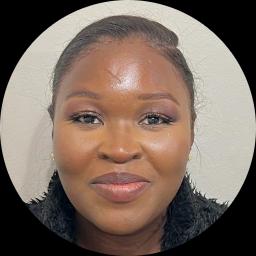
About Carol
Her approach draws on evidence-based methods such as cognitive behavioural techniques, dialectical behaviour ideas, schema work and trauma-aware practices. Sessions focus on practical strategies for managing symptoms and on clear treatment planning. Carol aims to match techniques to each person’s goals and values.
Therapy with her is collaborative and goal-focused. Conversations are paced to what the person can manage. She uses structured plans so progress is visible and adjustments can be made when needed.
Carol supports people who feel stuck after a change, who struggle with repeated patterns in relationships, or who are worn down by caregiving or ongoing stress. She works with mood and panic symptoms and with people recovering from post-traumatic stress.
She offers sessions in English, Ndebele, North and Shona. Practical tools, clearer routines and step-by-step planning are typical parts of her work, alongside exploring how past experiences influence present choices.
Registration on record
- AHPRA
- Australia · PSY0002491259
As listed on the therapist's profile. Membership can be checked with the professional body named.
Areas of expertise
Primary focus
Additional focus areas
Experience
7+ years
Credentials
AHPRA · Australia
Languages
English, Ndebele, North, Shona
How evidence-based methods translate to online sessions
Carol uses a few clear, evidence-based approaches in her work. Cognitive behavioural techniques focus on identifying unhelpful thoughts and testing small behaviour changes to reduce anxiety and low mood. Dialectical behaviour ideas provide short skills for emotional regulation, distress tolerance and clearer communication in relationships. Trauma-aware practice means attention to safety and pacing while addressing painful memories and symptoms.Finding the right approach is part of the work. Carol will discuss what feels useful and adjust plans based on the person’s goals, preferences and progress. That means testing skills, checking what helps, and changing direction when needed in a collaborative way.
Session formats are not specified in the biography, so please confirm current options before booking. Online sessions can make it easier to fit therapy into a busy week, allow shorter check-ins when needed, and reduce travel time. They also let people use quieter surroundings or phone-only sessions when video is not practical. Ask about formats and session length when you complete the matching questionnaire to match practical needs with clinical approach.
Frequently asked questions
What kinds of difficulties does she help with?
She works with stress, anxiety, depression, trauma, relationship and family conflict, and related problems such as panic, caregiving stress and isolation.
How does she approach someone feeling stuck?
Her work is collaborative and goal-focused, using evidence-based techniques to build practical strategies and structured treatment plans.
How much experience does she have?
Carol has seven years of clinical experience as a General Registered Psychologist in Australia.
What credential does she hold and where is she based?
She is registered with AHPRA and practises in Australia.
Which languages are supported in sessions?
Sessions are offered in English, Ndebele, North and Shona.
Can people from other countries work with her?
International clients are not currently accepted.
How are sessions paid for and what does it cost?
Cost varies with location; sessions run through a subscription model that can be cancelled at any time.
How do I start a first session?
Select the See online therapy options button, complete a short matching questionnaire, and schedule your first session.
Good to know
Therapists listed here offer talking therapy online. It is not career, financial or medical advice, and no therapist can promise a particular result.
If you are thinking about harming yourself, or you are in danger, contact a crisis line or emergency services. The numbers are at the foot of this page.