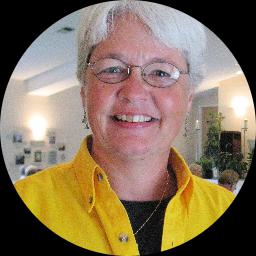
Dr. Rebecca McDonough
LMHCFlorida · 32 yrs exp
Dr Rebecca McDonough LMHC - Life purpose and transition support
LGBT · Grief · Self esteem · Coping with life changes · +1 more
Read profileTherapist directory · United States, United Kingdom and Australia
Need help now?Therapist listings are provided by BetterHelp. We will earn a commission at no extra cost to you if you use our links to buy.
Use these profiles to compare therapists who list Communication Problems alongside life purpose, direction and meaning. You can review listed location, approaches, credentials and languages to find profiles that match what matters to you.
Browse the profiles below to learn more about each therapist's focus areas and style, then contact anyone whose description fits your priorities.
Florida · 32 yrs exp
Dr Rebecca McDonough LMHC - Life purpose and transition support
LGBT · Grief · Self esteem · Coping with life changes · +1 more
Read profile
Florida · 23 yrs exp
LICSW LCSW - Life purpose and intimacy issues
LGBT · Intimacy-related issues
Read profile
South Carolina · 25 yrs exp
Licensed Professional Counselor - Relationships and Life Purpose
Relationship · Family · Intimacy-related issues · Parenting · +7 more
Read profile
District of Columbia · 20 yrs exp
LPC in District of Columbia - Trauma and coaching
Trauma and abuse · Self esteem · Bipolar · Depression · +1 more
Read profile
California · 14 yrs exp
Licensed Clinical Social Worker - Life purpose and coping
Stress, Anxiety · Trauma and abuse · Grief · Self esteem · +8 more
Read profile
Indiana · 11 yrs exp
LCSW in Indiana - Life purpose and relationships
Stress, Anxiety · Grief · Depression · Coping with life changes · +8 more
Read profile
Kentucky · 11 yrs exp
Licensed Marriage and Family Therapist - Relationships and Life Changes
Stress, Anxiety · Relationship · Family · Self esteem · +9 more
Read profile
Illinois · 20 yrs exp
Illinois psychologist - Life purpose and coping
Stress, Anxiety · Relationship · Self esteem · Depression · +7 more
Read profile
Tennessee · 35 yrs exp
Licensed Clinical Social Worker - Life purpose and change
Stress, Anxiety · Grief · Self esteem · Depression · +8 more
Read profile
Wisconsin · 11 yrs exp
Licensed counselor - Life purpose and relationships
Stress, Anxiety · Relationship · Family · Self esteem · +6 more
Read profile
South Carolina · 20 yrs exp
Licensed social worker - life purpose and coping
Stress, Anxiety · Relationship · Eating · Self esteem · +10 more
Read profile
New York · 14 yrs exp
LCSW - Life purpose and coping support
Stress, Anxiety · Trauma and abuse · Grief · Depression · +6 more
Read profile
Michigan · 24 yrs exp
LCSW counselor - Life purpose and mood concerns
Stress, Anxiety · Addictions · Relationship · Family · +1 more
Read profile
Florida · 32 yrs exp
Dr. Moises Ramy, LMHC - Life purpose and mood concerns
Stress, Anxiety · Relationship · Trauma and abuse · Bipolar · +8 more
Read profile
New York · 13 yrs exp
Licensed mental health counselor - Life purpose and coping
Stress, Anxiety · Self esteem · Depression · Coping with life changes · +8 more
Read profile
Oregon · 17 yrs exp
LMFT - Stress and trauma focused
Stress, Anxiety · Trauma and abuse · Grief · Intimacy-related issues · +1 more
Read profile
Louisiana · 15 yrs exp
Licensed Professional Counselor - Stress and Trauma
Stress, Anxiety · Trauma and abuse · Grief · Self esteem · +1 more
Read profile
Texas · 10 yrs exp
Licensed counselor - Stress and life changes
Stress, Anxiety · Grief · Depression · Coping with life changes
Read profile
Missouri · 24 yrs exp
LPC counselor - Life purpose and relationships
Stress, Anxiety · Relationship · Self esteem · Coping with life changes
Read profile
Colorado · 13 yrs exp
Licensed Marriage and Family Therapist - Life purpose, relationships
Stress, Anxiety · LGBT · Relationship · Trauma and abuse · +10 more
Read profile
Georgia · 3 yrs exp
Licensed Professional Counselor - Life purpose and coping
Stress, Anxiety · Self esteem · Career · Depression · +1 more
Read profile
New Jersey · 12 yrs exp
LCSW - Stress and life purpose support
Stress, Anxiety · Relationship · Trauma and abuse · Self esteem · +1 more
Read profile
Georgia · 11 yrs exp
LPC - Depression and Addictions
Addictions · Relationship · Trauma and abuse · Bipolar · +1 more
Read profile
Texas · 6 yrs exp
Licensed Marriage and Family Therapist - Relationships and Life Change
Relationship · Family · Parenting · Self esteem · +1 more
Read profileWhen you are reassessing what matters in life - after a change in work, a relationship shift, health news or a midlife transition - difficulties with communication can make everything feel harder. You might notice you avoid conversations that matter, struggle to express values or boundaries, or feel misunderstood when you try to explain what you want. Those patterns can sap motivation and make decision-making feel ambiguous. Low mood and the pressure to have your path all figured out can increase frustration and make even routine interactions feel fraught.
If you are experiencing thoughts of harming yourself, you should contact local emergency services or a crisis line right away. Otherwise, thinking about communication alongside broader questions of direction can help you identify practical changes - for example, naming your priorities so you can ask for what you need - as well as the emotional patterns that underlie repeated conflicts. Online talk therapy is not career coaching or religious guidance, but many people use conversations with a therapist to sort values, rehearse difficult conversations and clarify the next steps that feel most consistent with their sense of meaning.
Communication issues and uncertainty about life purpose often appear together, but one does not automatically cause the other. For some people, unclear values make it hard to communicate priorities to others. For others, repeated breakdowns in conversation create barriers to pursuing work or relationships that would feel meaningful. Many therapists list life purpose as an additional focus area; that indicates an interest in these themes rather than any claim about certification or outcomes.
On this page you will find profiles that group Communication Problems with life purpose and direction. Use those profiles to explore how therapists describe the link between practical skills - like assertiveness, listening and negotiating - and deeper questions about meaning. When reading a profile, note whether the therapist frames communication as a set of skills, as a window into family patterns, or as part of value-driven decision-making. Those descriptions offer clues about how a therapist might approach conversations about what matters to you, while remembering that a listed focus does not guarantee a particular scope of practice.
When you review a profile or reach out to a therapist, ask specific, concrete questions that reveal how they work and whether their experience aligns with your needs. You might ask: Do you have experience supporting adults facing career change, caregiving transitions or relationship shifts? Which approaches do you draw on when addressing communication difficulties, and do you often integrate work on values or life purpose? If a profile mentions a technique you have heard of, you can say: I see you list EMDR or narrative approaches among your methods - how do you typically use those with communication concerns? That phrasing respects the fact that a profile lists an approach but does not assume formal certification.
Also ask about professional standing in ways that clarify practice permissions: What academic degree do you hold - PhD, PsyD, MD, MA or MSW - and what professional license, registration or membership do you maintain in your country? In the United States, licenses are distinct from academic degrees. In the United Kingdom and Australia, clinicians may be registered or members of professional bodies rather than licensed in the same way. A degree alone does not indicate current permission to practice, so it is useful to know both the degree and the relevant regulatory status for the listed location.
Before you begin speaking with a therapist, clarify practical questions that matter to you so you can focus on the therapeutic work. Ask how they handle communication around scheduling and contact, whether they provide a brief initial conversation to discuss goals, and how they approach work with adults who are rethinking values or making major decisions. It is reasonable to discuss language needs and cultural competence - for example, whether they offer therapy in a language you prefer or whether they have experience with specific cultural contexts that matter to you.
You should also talk about how you would like to approach goals. Will you focus on learning communication skills, on exploring emotional patterns that undermine conversations, or on aligning daily choices with a sense of meaning and direction? If you are unsure, you can describe a concrete moment when communication broke down and ask how the therapist would work with that example. Remember that online talk therapy is not a substitute for career coaching or religious guidance, but it can be a place to explore how your values and relationships interact as you make decisions.
Comparing profiles is most helpful when you know which elements matter to you. Look for therapists whose listed focus areas include both Communication Problems and life purpose if you want integrated attention to both. Pay attention to how each profile describes therapeutic style - terms like exploratory, skills-focused, pragmatic or reflective can indicate whether a therapist leans toward practice-based exercises, deeper process work, or a mixture. Profiles also typically note languages offered and a listed location; a listed location may be relevant for time zone or regulatory context, especially when you consider licensing or registration differences across countries.
Consider asking each therapist direct questions drawn from your priorities. For example: How do you balance working on practical communication skills with exploring values? Can you describe an example of helping someone decide between competing life directions? What languages do you provide therapy in, and what is your professional registration or license in the listed location? These concrete questions help you compare profiles on the same criteria rather than relying on impressions. Keep in mind that a listed focus does not prove a therapist treats children, couples or families unless the profile says so; if that distinction matters, mention it before committing to sessions.
Choosing a therapist is a personal decision. Use profiles to narrow possibilities by the elements that matter most to you - focus areas, approaches that feel compatible with your thinking, language and cultural fit, and clear information about degree and professional standing. Then reach out with a short set of questions so you can judge for yourself who feels like the right fit for the work you want to do around communication and life direction.
Alabama
85 therapists
Alaska
12 therapists
Arizona
74 therapists
Arkansas
37 therapists
Australia
249 therapists
California
750 therapists
Colorado
133 therapists
Connecticut
56 therapists
Delaware
14 therapists
District of Columbia
23 therapists
Florida
546 therapists
Georgia
142 therapists
Hawaii
26 therapists
Idaho
33 therapists
Illinois
222 therapists
Indiana
92 therapists
Iowa
24 therapists
Kansas
35 therapists
Kentucky
88 therapists
Louisiana
92 therapists
Maine
22 therapists
Maryland
123 therapists
Massachusetts
79 therapists
Michigan
181 therapists
Minnesota
68 therapists
Mississippi
43 therapists
Missouri
114 therapists
Montana
33 therapists
Nebraska
30 therapists
Nevada
36 therapists
New Hampshire
15 therapists
New Jersey
121 therapists
New Mexico
24 therapists
New York
353 therapists
North Carolina
209 therapists
North Dakota
6 therapists
Ohio
133 therapists
Oklahoma
85 therapists
Oregon
40 therapists
Pennsylvania
186 therapists
Rhode Island
12 therapists
South Carolina
94 therapists
South Dakota
11 therapists
Tennessee
92 therapists
Texas
642 therapists
United Kingdom
808 therapists
Utah
56 therapists
Vermont
11 therapists
Virginia
124 therapists
Washington
92 therapists
West Virginia
15 therapists
Wisconsin
86 therapists
Wyoming
11 therapists