- Stress and anxiety
- Life purpose exploration
- CBT and client-centered
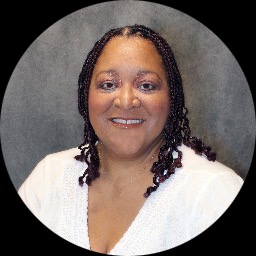
About Charlotte
Charlotte keeps sessions straightforward and conversational. She uses client-centered techniques to listen and reflect what matters most. She also draws on cognitive behavioral ideas to identify patterns of thinking, and solution-focused strategies to break problems into manageable steps.
In practical terms she talks through what is happening now and what a person wants to change. Sessions explore habits, recurring thoughts, and everyday choices that affect mood and direction. She pays attention to relationship strain, caregiver stress, and the effects of chronic illness or loss on daily life.
Her approach works well for people coping with panic attacks, persistent low mood, or the loneliness that follows a big life change. She also addresses issues like abandonment, body image, guilt, and money stress in ways that connect to present goals.
Clients will find a steady, goal-oriented style that balances listening with concrete steps. To begin she asks people to describe current concerns and what they hope to change. That initial conversation shapes the plan for follow-up sessions.
License and NPI on record
- LCSW
- California · 28446
- NPI
- 1568993624
As listed on the therapist's profile. A license can be checked with the state board, and an NPI with the national NPI registry.
Areas of expertise
Primary focus
Additional focus areas
Therapeutic approaches
Experience
11+ years
Credentials
California
Languages
English
How therapeutic approaches are used in online sessions
Client-Centered Therapy focuses on listening and reflecting what matters to the person. It helps people name feelings, clarify priorities, and make choices that match their values. This approach supports work on life purpose, relationship strain, and grief.Cognitive Behavioral Therapy (CBT) looks at links between thoughts, feelings, and actions. It breaks down unhelpful thinking patterns and builds small behavioral steps to reduce anxiety and depressive symptoms. CBT tools are useful for panic attacks, mood shifts, and everyday worry.
Finding the right approach is part of the work. The therapist will collaborate with the client to try methods that fit their goals and preferences, adjusting the focus as needed. That means sessions can move between listening, practical skill-building, and short-term problem-solving depending on what helps most.
The original biography does not specify session formats, so confirm current online options before booking. Practically, online sessions can make it easier to fit therapy into a busy week, allow for shorter check-ins when time is limited, and remove travel time. Licensed professionals can use these benefits to keep progress steady while adapting methods to everyday life.
Frequently asked questions
What types of concerns does she help with?
She works with stress, anxiety, depression, grief, LGBT issues, family conflict, and life purpose questions, plus related concerns like caregiver stress and chronic illness impact.
How does she approach someone feeling stuck?
She uses a mix of client-centered listening and solution-focused steps to clarify small, practical changes people can try between sessions.
How much experience does she have?
She has 11 years of professional experience working with adults on mood, anxiety, grief, and relationship concerns.
What credential does she hold and where is she based?
She is a Licensed Clinical Social Worker (LCSW) licensed in California.
Can I work with her if I live outside the US?
Sessions are offered in English and international clients are not currently accepted.
What session formats are offered?
The original biography does not list specific session formats; please confirm current session options before booking.
How much do sessions cost?
Cost varies with location and sessions use a subscription that can be canceled at any time.
How do I get started with her?
Select the See online therapy options button, complete the short matching questionnaire, and schedule a first session.
Good to know
Therapists listed here offer talking therapy online. It is not career, financial or medical advice, and no therapist can promise a particular result.
If you are thinking about harming yourself, or you are in danger, contact a crisis line or emergency services. The numbers are at the foot of this page.