- Stress and anxiety
- Addictions support
- Self-esteem work
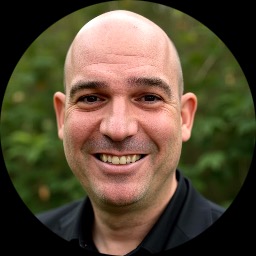
About Christopher
He meets clients who are dealing with chronic pain, illness, or disability and those coping with impulsivity or mood challenges. He often supports men navigating workplace stress, isolation, or midlife transitions. Sessions are collaborative and nonjudgmental, with attention to a person’s values and daily realities.
Dr. Rocchio uses practical, evidence-informed methods to help people make changes that fit their lives. Conversations are aimed at clarifying priorities, testing small behavior changes, and strengthening skills such as emotion regulation and problem solving. He helps clients break large problems into manageable steps and tracks what does and does not work.
Expect a straightforward style that focuses on real-world adjustments rather than just ideas. He encourages experimenting with new habits, improving communication, and increasing self-respect. Work in sessions often includes setting short-term goals and reviewing progress between meetings.
People who feel stuck after a job change, are questioning what matters in midlife, or want to handle stress and mood problems more effectively may find his approach useful. To get started you follow the site's matching steps and schedule an initial session.
License and NPI on record
- LCSW
- North Carolina · C018478
- NPI
- 1013445550
As listed on the therapist's profile. A license can be checked with the state board, and an NPI with the national NPI registry.
Areas of expertise
Primary focus
Additional focus areas
Therapeutic approaches
Experience
10+ years
Credentials
North Carolina
Languages
English
How his approaches translate to online sessions
Acceptance and Commitment Therapy, or ACT, focuses on clarifying values and taking committed actions that align with those values. It helps when people feel stuck about purpose or overwhelmed by unhelpful thoughts. Cognitive Behavioral Therapy, or CBT, looks at connections between thoughts, feelings, and behavior and uses practical exercises to change patterns that keep problems going. Both approaches are useful for stress, anxiety, mood concerns, and addiction-related behaviors.Finding the right approach is part of therapy. He works collaboratively with each person to decide which methods fit their goals and preferences. That means trying an approach, checking how it feels, and adjusting based on what helps in daily life.
Confirm the exact session formats before booking, as the biography does not list them. Online sessions can make it easier to fit meetings into a busy schedule, shorten check-ins when needed, and allow a person to join without commuting. They can also let the therapist and client practice communication and behavioral experiments between meetings so change can be tested in real settings.
Frequently asked questions
What kinds of concerns does he help with?
He works with stress, anxiety, addictions, self-esteem, and depression, plus related issues such as chronic pain, communication problems, impulsivity, isolation, and life purpose.
How would he describe his therapeutic style?
His style is collaborative and nonjudgmental, focusing on values and practical steps rather than long lectures.
How much clinical experience does he have?
He has ten years of experience as a practicing clinician in mental health.
What are his credentials and where is he based?
He is an LCSW licensed in North Carolina and practices in that state.
Can I have sessions in a language other than English?
Sessions are offered in English.
Does he work with international clients?
He does not accept international clients at this time.
How are sessions scheduled and paid for?
Cost varies with location and sessions use a subscription that can be canceled at any time.
What are the first steps to begin?
Select the See online therapy options button, complete a short matching questionnaire, and schedule your first session.
Good to know
Therapists listed here offer talking therapy online. It is not career, financial or medical advice, and no therapist can promise a particular result.
If you are thinking about harming yourself, or you are in danger, contact a crisis line or emergency services. The numbers are at the foot of this page.