- Stress and anxiety
- Life purpose exploration
- CBT and EMDR methods
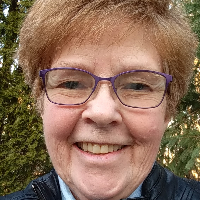
About Debra
Her style is straightforward and practical. Sessions focus on talking through what is happening now, noticing patterns, and trying small changes that can make day-to-day life easier. She uses client-centered conversation to follow what matters to the person, and cognitive behavioral techniques to test unhelpful thoughts and behaviors.
Debra also brings experiential options into sessions when helpful. That can include simple mindfulness practices and, with consent, expressive art activities to give shape to feelings that are hard to put into words. Eye Movement Desensitization and Reprocessing, or EMDR, is part of her toolkit for processing traumatic memories when it fits the situation.
Her background spans community mental health, schools, faith-based settings, health systems, and private practice. Debra has master’s degrees in counseling and in art therapy, and she adapts methods to the person sitting in front of her rather than following a single protocol.
People who are unsure what comes next often find her approach steady and pragmatic. She asks clear questions, suggests manageable steps, and works collaboratively to clarify goals. To begin, visitors are asked to use the site’s matching process and schedule an initial session.
License and NPI on record
- LCPC
- Illinois · 180-005252
- LPC
- Wisconsin · 7605-125
- NPI
- 1720065063
As listed on the therapist's profile. A license can be checked with the state board, and an NPI with the national NPI registry.
Areas of expertise
Also works with
Additional focus areas
Therapeutic approaches
Experience
30+ years
Credentials
Illinois, Wisconsin
Languages
English
Therapeutic methods and how they translate online
Debra commonly uses client-centered therapy and cognitive behavioral therapy in her work. Client-centered therapy focuses on listening closely and following what the person brings to the session, which helps clarify what matters most. Cognitive behavioral therapy looks at how thoughts and behaviors keep problems going and tries practical changes to reduce symptoms and improve daily coping.She also uses EMDR when processing traumatic memories is needed. EMDR involves guided attention to help the brain reprocess distressing memories and reduce their emotional intensity; it can be useful for trauma, abuse, and related symptoms when the client and therapist agree it is appropriate.
Figuring out which approach to use is a collaborative step. The therapist will talk about options, try brief exercises, and adjust methods based on the client’s goals and comfort. That collaboration helps pick between conversational strategies, CBT tasks, mindfulness practices, expressive art, or EMDR techniques.
The original biography did not specify online session formats, so confirm current options before booking. Online sessions can make it easier to fit therapy into a busy week, allow shorter check-ins when needed, and remove travel time. Therapists can guide simple mindfulness practices, walk through CBT exercises, and use verbal or visual tools that work well over a video or phone session, depending on the format offered.
Frequently asked questions
What kinds of concerns does she work with?
She works with stress, anxiety, grief, depression, coping with life changes, compassion fatigue, relationship and family issues, trauma and abuse, sleeping problems, self-esteem, career questions, bipolar and ADHD concerns, plus related areas such as cancer and caregiver stress.
How would she describe her therapeutic approach?
Her approach is client-centered and practical, using conversation to identify patterns and CBT techniques to shift thoughts and behaviors. She also offers mindfulness, EMDR, and expressive art work when appropriate.
What is her background and experience?
She has 30 years of experience across community mental health, schools, faith-based organizations, health systems, and private practice. She holds master’s degrees in counseling and art therapy.
What are her credentials and where is she based?
She is an LCPC in Illinois and an LPC in Wisconsin, and she practices from Illinois as noted in her profile.
Does she offer sessions in other languages?
Sessions are offered in English.
What session formats are used?
The original biography did not list specific session formats; please confirm current session options before booking.
How much do sessions cost?
Cost varies with location; sessions use a subscription that can be canceled at any time.
How do I get started with a session?
Select the See online therapy options button, complete the short matching questionnaire, and schedule a first session through the site.
Good to know
Therapists listed here offer talking therapy online. It is not career, financial or medical advice, and no therapist can promise a particular result.
If you are thinking about harming yourself, or you are in danger, contact a crisis line or emergency services. The numbers are at the foot of this page.