
Carmen Garrison
LPCPennsylvania · 12 yrs exp
Licensed Professional Counselor - Life purpose and mood
Stress, Anxiety · Trauma and abuse · Self esteem · Coping with life changes · +11 more
Read profileTherapist directory · United States, United Kingdom and Australia
Need help now?Therapist listings are provided by BetterHelp. We will earn a commission at no extra cost to you if you use our links to buy.
Compare profiles of therapists who list Compassion Fatigue alongside life purpose, direction and meaning. Use listed location, approaches, credentials, languages and experience to find profiles you want to explore.
Pennsylvania · 12 yrs exp
Licensed Professional Counselor - Life purpose and mood
Stress, Anxiety · Trauma and abuse · Self esteem · Coping with life changes · +11 more
Read profile
Oklahoma · 30 yrs exp
Licensed Professional Counselor - Life purpose and transition support
Stress, Anxiety · Grief · Intimacy-related issues · Depression · +8 more
Read profile
California · 14 yrs exp
Licensed Clinical Social Worker - Life purpose and coping
Stress, Anxiety · Trauma and abuse · Grief · Self esteem · +8 more
Read profile
Kentucky · 11 yrs exp
Licensed Marriage and Family Therapist - Relationships and Life Changes
Stress, Anxiety · Relationship · Family · Self esteem · +9 more
Read profile
Illinois · 20 yrs exp
Illinois psychologist - Life purpose and coping
Stress, Anxiety · Relationship · Self esteem · Depression · +7 more
Read profile
Tennessee · 35 yrs exp
Licensed Clinical Social Worker - Life purpose and change
Stress, Anxiety · Grief · Self esteem · Depression · +8 more
Read profile
New York · 13 yrs exp
Licensed mental health counselor - Life purpose and coping
Stress, Anxiety · Self esteem · Depression · Coping with life changes · +8 more
Read profile
Colorado · 13 yrs exp
Licensed Marriage and Family Therapist - Life purpose, relationships
Stress, Anxiety · LGBT · Relationship · Trauma and abuse · +10 more
Read profile
Tennessee · 3 yrs exp
Licensed Professional Counselor - Trauma and Life Purpose
Stress, Anxiety · Addictions · Trauma and abuse · Self esteem · +8 more
Read profile
New Jersey · 20 yrs exp
Licensed Clinical Social Worker - Life purpose and coping
Stress, Anxiety · LGBT · Relationship · Parenting · +12 more
Read profile
Louisiana · 27 yrs exp
Licensed counselor - Life purpose and stress
Stress, Anxiety · Relationship · Self esteem · Coping with life changes · +4 more
Read profile
Montana · 6 yrs exp
LCSW - Life purpose and transition support
Depression · Coping with life changes · Compassion fatigue · Stress, Anxiety · +9 more
Read profile
Louisiana · 22 yrs exp
Licensed counselor - Life purpose and mood issues
Stress, Anxiety · Grief · Self esteem · Depression · +5 more
Read profile
New York · 25 yrs exp
LCSW - Life purpose and coping support
Stress, Anxiety · Trauma and abuse · Self esteem · Depression · +11 more
Read profile
North Carolina · 24 yrs exp
Licensed Clinical Social Worker - Trauma and Life Direction
Stress, Anxiety · Relationship · Family · Trauma and abuse · +14 more
Read profile
Virginia · 10 yrs exp
LCSW - Life purpose and career focus
Stress, Anxiety · Self esteem · Career · Coping with life changes · +11 more
Read profile
Oklahoma · 16 yrs exp
Oklahoma LPC - Relationships and Life Purpose
Relationship · Intimacy-related issues · Parenting · Coping with life changes · +1 more
Read profile
South Carolina · 26 yrs exp
LPC LMHC - Career and Life Changes
Self esteem · Career · Coping with life changes · Coaching · +7 more
Read profile
Florida · 11 yrs exp
Licensed counselor - Life purpose and relationships
Stress, Anxiety · Relationship · Self esteem · Depression · +11 more
Read profile
Minnesota · 3 yrs exp
MN Psychologist - Life purpose and mood concerns
Stress, Anxiety · Addictions · Relationship · Trauma and abuse · +8 more
Read profile
Florida · 18 yrs exp
Florida LMFT - Life purpose and relationships
Stress, Anxiety · Relationship · Grief · Self esteem · +8 more
Read profile
Alabama · 20 yrs exp
Licensed Professional Counselor - Life purpose and change
Stress, Anxiety · Grief · Parenting · Depression · +13 more
Read profile
Ohio · 20 yrs exp
Ohio LISW - Life purpose and mood concerns
Stress, Anxiety · Relationship · Family · Grief · +9 more
Read profile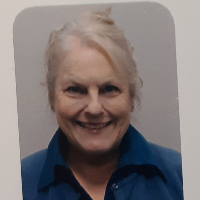
Washington · 27 yrs exp
LMHC in Washington - Life purpose and relationships
Stress, Anxiety · Relationship · Family · Self esteem · +7 more
Read profileIf you work in caregiving, health, social services, education or any role that asks a lot of you emotionally, you may notice an erosion of energy, motivation and meaning. Compassion Fatigue is often described as emotional and physical exhaustion related to caring for others, but for many people it also shows up as a dulling of goals, a sense that what used to matter no longer does, or indecision about the next step in life. You might find it harder to take actions that once felt meaningful, to feel motivated by values, or to make decisions about work, relationships and life direction.
When you review profiles in this directory, remember that expressed symptoms can overlap with everyday low mood, burnout, bereavement and transitions. A profile that lists Compassion Fatigue among its focus areas signals that a practitioner is attentive to themes of emotional depletion and caring stress, but it does not guarantee a specific method or outcome. If your low mood includes thoughts of harming yourself, contact local emergency services or a crisis line right away.
You may come to therapy because the work of caring for others has made it harder to connect to long-term goals or to feel confident about what matters to you. In other cases a major life change - retirement, a health issue, the end of an intense caregiving period - can surface both fatigue and existential questions. Profiles in this directory often list life purpose, direction and meaning alongside Compassion Fatigue; that indicates a shared area of interest rather than a fixed causal link. Some people experience emotional exhaustion first and then begin to question their direction, while others arrive with a search for meaning and discover fatigue beneath it.
When you consider a profile, look for language that resonates with your situation. Does the practitioner mention working with helping professionals, secondary trauma, or issues of vocation and values? Keep in mind that the presence of both topics on a profile simply shows that the practitioner has chosen to note those concerns among their focus areas. It does not necessarily mean they treat all populations or that they offer a particular therapeutic approach. Online talk therapy is not career coaching or religious guidance, so plan to ask specific questions about scope and focus when you contact a profile you are interested in.
When you reach out to a practitioner whose profile interests you, preparing a few concrete questions will help you understand how they might work with you. Ask how they typically approach emotional exhaustion and its impact on motivation and values. You can say you are interested in therapists who list certain approaches and then ask what that means in practice - for example, therapists who list EMDR among their approaches may use it with trauma-related symptoms, while those who mention cognitive-behavioral approaches may focus on patterns of thought and activity. Phrase your questions to invite explanation, such as "How do you help people reconnect with what matters when they feel emotionally depleted?" or "What kinds of goals do you set with people who are rethinking their direction?"
Also ask about experience with populations similar to yours. Do they work with healthcare workers, first responders, parents, or people who left a demanding role? In the United States, a therapist’s profile may list a state license such as LCSW, LPC, LMFT or a psychologist license; in the United Kingdom practitioners may indicate registration or professional membership; in Australia they may note registration with a national board or membership in a professional association. Academic degrees like PhD, PsyD, MD, MA or MSW are different from legal permission to practice. A degree alone does not establish current permission to practice, so you may want to ask how they are authorised to provide care in your jurisdiction.
If you plan to work remotely, it helps to talk through practical and safety issues before you begin. Ask how the practitioner handles personal information, record keeping and technical problems. Clarify whether they will use video, phone or text, and what they recommend if a session is interrupted. Discuss what steps they take if you are in crisis, including how to contact local emergency services from your listed location and what crisis resources they recommend in your area. Confirm the expected length and frequency of sessions and how cancellations or rescheduling are managed.
It is also important to be clear about scope. Ask whether they generally work with the kinds of issues you have - for example, grief layered with exhaustion, moral distress, or questions about vocation. Make sure to discuss whether they typically work with individuals only, or with couples or families, if that is relevant to you. If you have specific needs related to culture, language or identity, ask how they address those in their work. If your mood includes thoughts of self-harm, reach out to emergency services or a crisis line immediately; this directory article cannot replace urgent care.
When you compare profiles in the directory, focus on the concrete details that matter to you. Look at stated focus areas to see whether Compassion Fatigue appears alongside life purpose, direction and meaning, or whether it is offered in a different combination of interests. Check listed location to understand where the practitioner is based and whether their profile indicates they work across regions. Languages listed in a profile can affect how you express nuanced aspects of your experience, so note whether a practitioner offers sessions in a language you prefer.
Pay attention to the credentials shown and remember the difference between a degree and a license or registration. A profile may include academic degrees such as PhD or MSW and also list professional credentials or memberships. Use that information to ask where the practitioner is authorised to practice and whether that authorisation covers remote work with people in your area. Finally, consider the tone and detail in the profile as an indirect signal of style - some profiles are concise and clinical, others describe a more exploratory or values-oriented approach. If the wording resonates with how you think about your situation, that is a reasonable reason to contact the profile and ask follow-up questions tailored to your needs.
Choosing a practitioner is a personal step and often involves sampling conversations until you find the right fit. Use the directory to narrow options by focus areas and practical details, then reach out with the specific questions that matter to you. If your mood includes thoughts of self-harm or immediate danger, contact local emergency services or a crisis line without delay.
Alabama
85 therapists
Alaska
12 therapists
Arizona
74 therapists
Arkansas
37 therapists
Australia
249 therapists
California
750 therapists
Colorado
133 therapists
Connecticut
56 therapists
Delaware
14 therapists
District of Columbia
23 therapists
Florida
546 therapists
Georgia
142 therapists
Hawaii
26 therapists
Idaho
33 therapists
Illinois
222 therapists
Indiana
92 therapists
Iowa
24 therapists
Kansas
35 therapists
Kentucky
88 therapists
Louisiana
92 therapists
Maine
22 therapists
Maryland
123 therapists
Massachusetts
79 therapists
Michigan
181 therapists
Minnesota
68 therapists
Mississippi
43 therapists
Missouri
114 therapists
Montana
33 therapists
Nebraska
30 therapists
Nevada
36 therapists
New Hampshire
15 therapists
New Jersey
121 therapists
New Mexico
24 therapists
New York
353 therapists
North Carolina
209 therapists
North Dakota
6 therapists
Ohio
133 therapists
Oklahoma
85 therapists
Oregon
40 therapists
Pennsylvania
186 therapists
Rhode Island
12 therapists
South Carolina
94 therapists
South Dakota
11 therapists
Tennessee
92 therapists
Texas
642 therapists
United Kingdom
808 therapists
Utah
56 therapists
Vermont
11 therapists
Virginia
124 therapists
Washington
92 therapists
West Virginia
15 therapists
Wisconsin
86 therapists
Wyoming
11 therapists