- Addictions support
- Relationship work
- Life purpose focus
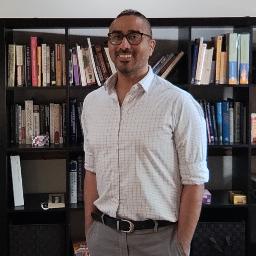
About Eduardo
Eduardo frames clients as the experts in their own lives. He emphasizes practical strengths clients already have and uses those strengths to address current challenges. Sessions tend to be straightforward conversations that identify obstacles and small steps forward.
His approach draws on several well-known methods. He uses elements from Client-Centered Therapy to listen and reflect on what matters to each person. He also applies Cognitive Behavioral Therapy to help people notice and shift patterns of thinking and behavior that get in the way.
When relationship concerns arise he brings techniques from the Gottman Method to improve communication and reduce repeated conflict. Motivational Interviewing is used with clients working on addiction and behavior change to build motivation and plan achievable steps.
People who are feeling stuck about work, family roles, or what comes next in life often come for short-term focused work. Eduardo helps break larger problems into practical actions. To begin, he asks about what matters now and what small changes could fit into daily life.
License and NPI on record
- LMFT
- California · 93484
- NPI
- 1033264015
As listed on the therapist's profile. A license can be checked with the state board, and an NPI with the national NPI registry.
Areas of expertise
Primary focus
Additional focus areas
Therapeutic approaches
Experience
14+ years
Credentials
California
Languages
English
How his approaches translate to online work
Eduardo commonly uses Client-Centered Therapy and Cognitive Behavioral Therapy in session. Client-Centered Therapy centers the conversation on what matters most to the client, with the therapist reflecting and clarifying to help ideas become clearer. Cognitive Behavioral Therapy looks at the links between thoughts, feelings, and behavior, and supports setting small, practical experiments to test new ways of responding.He also draws on the Gottman Method for relationship-focused work, which offers concrete communication skills and routines to reduce repeated conflict. Together these approaches give options for both personal change and improved interaction with others. Figuring out which method to emphasize is part of the work; he collaborates with each person to decide what fits their goals and preferences.
If you are considering online sessions, confirm the current session options before booking since formats are not listed here. Online work can make scheduling easier and let sessions fit into a busy week. It may also allow shorter check-ins when time is limited or let someone join without needing to travel. Licensed professionals can adapt these therapeutic approaches to remote sessions while helping clients focus on tangible steps that can be tried between meetings.
Frequently asked questions
What kinds of concerns does he address?
He works with addictions, relationship problems, family conflict, trauma and abuse, and parenting strain, plus related issues such as attachment and communication problems.
How would he describe his therapeutic style?
He uses practical, conversational sessions that build on a person’s existing strengths and focus on achievable steps forward.
How much experience does he have?
He has 14 years of professional experience working with the listed concerns.
What credential does he hold and where is he based?
He is a California LMFT and practices in California.
Which languages are supported?
Sessions are offered in English.
Does he work with international clients?
He is not currently accepting international clients.
How are sessions paid for?
Cost varies with location and sessions use a subscription that can be canceled at any time.
How do I begin working with him?
Select the See online therapy options button, complete a short matching questionnaire, and schedule a first session.
Good to know
Therapists listed here offer talking therapy online. It is not career, financial or medical advice, and no therapist can promise a particular result.
If you are thinking about harming yourself, or you are in danger, contact a crisis line or emergency services. The numbers are at the foot of this page.