- CBT techniques
- DBT strategies
- Mindfulness methods
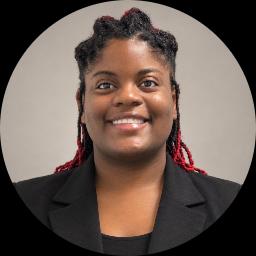
About Eustachian
She uses practical techniques from cognitive behavioral approaches and dialectical behavior strategies alongside person-centered methods and mindfulness. In sessions she helps people build coping skills, notice patterns that get in the way, and name strengths they can use. Early sessions focus on getting to know the person and clarifying goals before moving into skills and strategies.
Eustachian explains things plainly and works collaboratively. She invites openness to self-exploration while keeping the session focused on immediate concerns and realistic steps. Conversations often include skill practice, checking how those skills fit daily life, and adjusting approaches based on what feels useful.
Her practice includes work related to adoption and foster care issues, aging and geriatric concerns, codependency, communication and control problems, dependent personality features, and disruptive mood dysregulation disorder. She also addresses domestic violence, guilt and shame, hospice and end-of-life counseling, impulsivity, isolation, and family problems.
Sessions are conducted in English, and Eustachian does not accept international clients. Fees vary with location and use a subscription model that can be canceled at any time. To begin, prospective clients complete a short matching questionnaire and schedule a first session.
License and NPI on record
- LCSW
- Florida · SW26155
- NPI
- 1922865120
As listed on the therapist's profile. A license can be checked with the state board, and an NPI with the national NPI registry.
Areas of expertise
Additional focus areas
Experience
4+ years
Credentials
Florida
Languages
English
Evidence-based approaches and online sessions
She draws on cognitive behavioral techniques to help identify and change unhelpful thoughts and behaviors, which can be useful for anxiety, depression, and habits that keep people stuck. Dialectical behavior strategies are used to teach emotion regulation, distress tolerance, and clearer communication skills when feelings feel overwhelming.Finding the right approach is part of the work together. She will collaborate with each person to try methods that match their goals and preferences, adjust what is not working, and expand options as needed. The client and therapist decide together what to focus on and which skills to practice between sessions.
The biography does not list specific session formats, so confirm the available options before booking. Online therapy can make it easier to fit sessions into a busy week, reduce travel time, and allow shorter check-ins when needed. It also makes it simpler to include skills practice that connects directly to daily routines without promising any particular format.
Frequently asked questions
What concerns does she help with?
She works with anxiety, depression, emotional dysregulation, grief, life transitions, and family-related problems. Life purpose and feelings of emptiness are also listed as focus areas.
How does she approach someone feeling stuck?
She uses cognitive behavioral and dialectical behavior strategies alongside person-centered methods and mindfulness. The work focuses on building coping skills and identifying unhelpful patterns.
What is her clinical background?
She holds a Licensed Clinical Social Worker credential and has four years of experience practicing in Florida.
Where does she practice?
Her practice is based in Florida. Sessions are conducted in English and she does not accept international clients.
Which languages are supported?
Sessions are offered in English.
What session formats are available?
The original biography does not specify session formats; confirm current session options before booking.
How are fees handled?
Cost varies with location and sessions use a subscription that can be canceled at any time.
How do I begin working with her?
Select the See online therapy options button, complete a short matching questionnaire, and schedule a first session.
Good to know
Therapists listed here offer talking therapy online. It is not career, financial or medical advice, and no therapist can promise a particular result.
If you are thinking about harming yourself, or you are in danger, contact a crisis line or emergency services. The numbers are at the foot of this page.