- Stress and anxiety
- Life purpose
- Smoking cessation
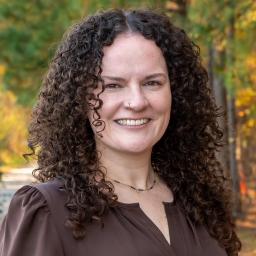
About Kara
Kara keeps sessions straightforward and practical. She listens first, then helps people name what feels off. Conversations often center on small, achievable steps to reduce stress and improve daily functioning. Motivational interviewing techniques are used when someone needs help finding momentum or breaking an unwanted habit.
Her client-centered approach means the conversation is guided by each person's concerns and goals. Solution-focused work highlights concrete strategies to try between sessions. This combination is aimed at getting through immediate problems while also spotting patterns that cause repeated setbacks.
Kara frames work around what a person wants to change next. She checks in on progress and adjusts the plan as needed. Sessions balance practical problem solving with attending to feelings and beliefs that get in the way of action.
People who are unsure what to do after a major change may find this style useful. The focus is on clarifying next steps rather than promising quick fixes. To begin, users are asked to complete a brief matching questionnaire and schedule a first session.
License and NPI on record
- LCSW
- North Carolina · C013517
- NPI
- 1881383776
As listed on the therapist's profile. A license can be checked with the state board, and an NPI with the national NPI registry.
Areas of expertise
Additional focus areas
Therapeutic approaches
Experience
5+ years
Credentials
North Carolina
Languages
English
How her approaches translate to online sessions
Client-Centered Therapy focuses on listening and following what matters most to the person. In practice that means sessions begin with the client's priorities and the therapist reflects back to help clarify feelings and next steps. Motivational Interviewing is a conversational method that helps someone resolve mixed feelings and build motivation for change; it is often used when a person wants to start a new habit or stop a behavior like smoking or vaping.Finding the right approach is part of the work together. The therapist will collaborate with each client to choose which methods to emphasize based on goals, current challenges, and personal preferences. She checks progress and shifts strategies if something is not helping.
Online therapy can make fitting sessions into daily life easier, for example by removing travel time and allowing shorter, focused check-ins during a break. Because specific session formats are not listed in the biography, confirm current options before booking. The practical aim is to make conversations about stress, life purpose, workplace issues, and behavior change fit into a person's schedule so they can try steps between meetings.
Frequently asked questions
What kinds of concerns does she help with?
She works with stress, anxiety, low self-esteem, depression, and coping with life changes, plus communication problems and workplace issues.
How would she approach feeling stuck or unmotivated?
She uses motivational interviewing to help people find momentum and identify small steps that fit their goals.
What is her professional background?
She has five years of professional experience and holds an LCSW credential licensed in North Carolina.
Where is she licensed to practice?
She is licensed as an LCSW in North Carolina.
Can I work with her if I live outside the United States?
She accepts international clients and conducts sessions in English.
What session formats are available?
Please confirm current session options before booking, as formats are not specified in the biography.
How are fees handled?
Cost varies with location and sessions use a subscription that can be canceled at any time.
How do I begin a first session?
Select the See online therapy options button, complete a short matching questionnaire, and schedule a first session.
Good to know
Therapists listed here offer talking therapy online. It is not career, financial or medical advice, and no therapist can promise a particular result.
If you are thinking about harming yourself, or you are in danger, contact a crisis line or emergency services. The numbers are at the foot of this page.