- Stress and anxiety
- Addiction recovery
- Life purpose work
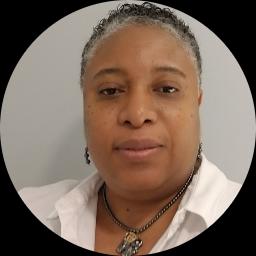
About Latonia
She works with people coming out of major transitions, including young adults and veterans. She supports recovery from drug and alcohol addiction and helps people process post-traumatic stress. She also talks with individuals exploring sexuality or struggling with relationship patterns.
Sessions emphasize clear conversation and practical skills. She helps people build communication tools and coping strategies they can use between meetings. When addiction is present, she pays attention to substance-related patterns and recovery routines.
Her approach is client-centered and grounded in cultural awareness. That means she listens for each person’s priorities and adjusts the pace accordingly. She aims to be direct and respectful in session, focusing on what a person wants to address now.
Latonia combines coaching-style work with therapeutic care to help people clarify next steps. That can look like identifying short-term goals, trying new ways of relating, or practicing stress-management techniques. People who feel stuck after a change often find the structure helpful.
She offers services in English and works from Maryland. To begin, people follow the site’s process to complete a short matching questionnaire and schedule a first session using a subscription that can be canceled at any time.
License and NPI on record
- LCPC
- Maryland · LC8789
- NPI
- 1629459169
As listed on the therapist's profile. A license can be checked with the state board, and an NPI with the national NPI registry.
Areas of expertise
Primary focus
Additional focus areas
Experience
15+ years
Credentials
Maryland
Languages
English
How therapeutic approaches shape online sessions
Evidence-based techniques in therapy help people practice new ways of coping and relating. Two common approaches used in this work are skills-based coping work and trauma-focused processing. Skills-based coping work teaches concrete tools for managing anxiety and stress, such as breathing strategies, grounding exercises, and step-by-step plans for handling triggers. This tends to help when daily stress is getting in the way of functioning.Trauma-focused processing helps people name and make sense of painful memories and reactions. That can include breaking difficult problems into smaller parts and trying different ways of responding in the present. This approach is commonly used when post-traumatic stress or past events continue to affect daily life.
Finding the right approach is part of the work together. The therapist will discuss goals, try methods that match those goals, and adjust based on what is helpful. That collaborative process helps decide whether to emphasize coping skills, trauma processing, coaching, or a mix of techniques.
Confirm the specific session formats before booking, since the biography does not list them. Online work can make it easier to fit therapy into a busy week, reduce travel time, and allow for shorter check-ins when needed. It also lets people use sessions for planning next steps between appointments without requiring in-person travel.
Frequently asked questions
What kinds of concerns does she focus on?
She focuses on stress, anxiety, addictions, relationship concerns, coping with life changes, and coaching, with added attention to life purpose and communication problems.
How would she approach feeling stuck or without direction?
She uses a client-centered style that emphasizes clear conversation and practical tools to help people identify next steps and short-term goals.
How much experience does she have?
She has 15 years of clinical experience working with adults across a range of life transitions and recovery needs.
What are her credentials and where does she practice?
She is an LCPC (Licensed Clinical Professional Counselor) in Maryland and sees people through the site while practicing from that state.
What languages are supported?
Sessions are offered in English.
Can international clients work with her?
International clients are not currently accepted.
How are sessions arranged and what does it cost?
Cost varies with location and sessions use a subscription that can be canceled at any time.
How do I get started?
Select the See online therapy options button, complete a short matching questionnaire, and schedule a first session.
Good to know
Therapists listed here offer talking therapy online. It is not career, financial or medical advice, and no therapist can promise a particular result.
If you are thinking about harming yourself, or you are in danger, contact a crisis line or emergency services. The numbers are at the foot of this page.