- Stress and anxiety
- Life purpose work
- CBT and client-centered
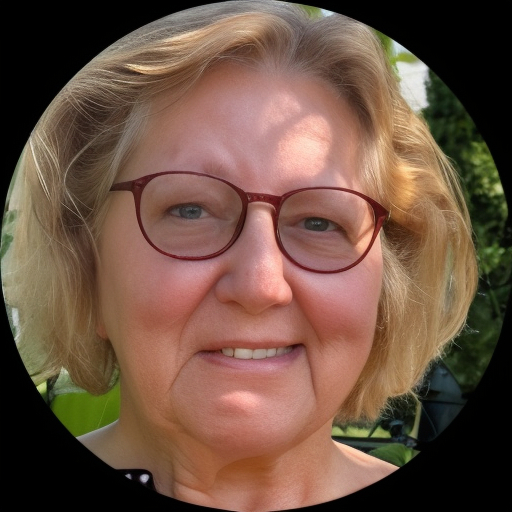
About Laura
Her approach is straightforward and person-focused. Sessions tend to center on what is causing distress now and practical steps that can make day-to-day life feel more manageable. She uses conversational techniques that help people name their problems and test different ways of responding.
Laura draws on several approaches to fit the situation. Cognitive Behavioral Therapy (CBT) is used to notice and change thought and behavior patterns that keep someone stuck. Client-Centered Therapy gives space for people to speak and be heard without rush. Motivational Interviewing supports decisions when someone feels unsure about change.
She also brings psychodynamic and solution-focused ideas into work when they help, for example looking at past patterns or setting short-term goals. Sessions are intended to be practical and paced around the client’s goals. Laura encourages small, achievable steps to reduce overwhelm and build confidence.
People who come for help with life purpose often start by clarifying values and testing low-risk changes in daily routines. The focus is on clear next steps rather than big promises, so clients can see what feels useful and what does not.
License and NPI on record
- LMHC
- Indiana · 39002286A
- NPI
- 1720586936
As listed on the therapist's profile. A license can be checked with the state board, and an NPI with the national NPI registry.
Areas of expertise
Primary focus
Additional focus areas
Therapeutic approaches
Experience
32+ years
Credentials
Indiana
Languages
English
How her approaches translate to online work
Client-Centered Therapy focuses on open listening and reflective conversation. Online sessions can recreate that by giving people time to speak, reflect, and try out new ways of describing their experience. Cognitive Behavioral Therapy (CBT) is hands-on and action oriented. Online CBT sessions can use worksheets, behavioral experiments, and short homework tasks to tackle patterns of thinking and behavior that keep someone stuck.Finding the right approach is part of the work. She helps clients decide which methods fit their goals and preferences, and adjusts as progress is made. That collaborative process looks at what the client wants to change, what has helped before, and which techniques feel workable in everyday life.
Session formats are not listed in the biography, so confirm current options before booking. In general, online sessions can make scheduling easier, allow shorter check-ins when needed, and reduce travel time so therapy fits into a busy week. These practical benefits help some people maintain momentum while they explore stress, life purpose questions, or emotional recovery.
Frequently asked questions
What kinds of concerns does she address?
She works with stress, anxiety, addictions, trauma and abuse, depression, and ADHD, plus related issues like communication problems, isolation, life purpose, and self-love.
How would she approach feeling stuck or directionless?
She uses practical conversations to clarify what matters now, then tests small, manageable changes to see what helps. Work often combines thought-focused and goal-focused techniques.
How much clinical experience does she have?
She has 32 years of experience working in clinical settings and private practice.
What are her credentials and where is she based?
She is an LMHC (Licensed Mental Health Counselor) licensed in Indiana and practices from that state.
Which languages are supported for sessions?
Sessions are offered in English.
Can international clients work with her?
She does not accept international clients at this time.
What formats are available for sessions?
Session formats are not specified here; please confirm current session options before booking.
How are fees and the subscription handled?
Cost varies with location and sessions use a subscription that can be canceled at any time.
Good to know
Therapists listed here offer talking therapy online. It is not career, financial or medical advice, and no therapist can promise a particular result.
If you are thinking about harming yourself, or you are in danger, contact a crisis line or emergency services. The numbers are at the foot of this page.