- Stress and anxiety
- Relationship issues
- Grief and loss
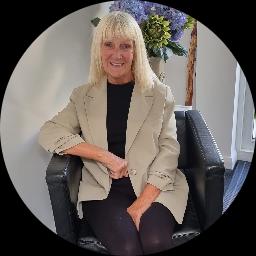
About Lynn
She focuses on practical, straightforward conversation. Lynn listens for patterns that keep someone feeling stuck and helps them try different ways of responding. Sessions typically involve talking through current problems, testing small changes, and checking what works in everyday life.
Her background includes several years working with people facing both sudden and ongoing loss, plus those managing large life transitions. This experience shapes how she structures sessions - short-term goals alongside space to process emotions when needed.
Lynn pays attention to where difficulty shows up in relationships, attachment and decision-making. She can help people who struggle with communication, commitment worries, feelings of abandonment, or the shame and guilt that follow relationship events.
She also works with concerns around body image, chronic illness or pain, caregiving stress, hoarding and impulsivity. Her way of working is practical and responsive, aiming to help people build small, manageable shifts that reduce day-to-day strain.
Sessions are conducted in English. People are asked to use the platform steps to complete a short matching questionnaire and schedule an initial meeting when they are ready.
Registration on record
- NCPS
- United Kingdom · NCS21-00016
As listed on the therapist's profile. Membership can be checked with the professional body named.
Areas of expertise
Primary focus
Additional focus areas
Experience
5+ years
Credentials
NCPS · United Kingdom
Languages
English
Approaches that guide online sessions
Two evidence-based techniques she draws on are straightforward problem-solving and structured emotional processing. Problem-solving helps by breaking large worries into specific steps and testing small changes that fit someone’s daily life. Structured emotional processing involves naming and working through feelings about loss or relationship events so they become easier to manage day to day.She uses these approaches as starting points rather than fixed rules. Deciding which method to use is a shared process. The therapist and client review current needs, goals and preferences and agree on what to try first, then adapt over time based on what proves useful.
Confirm the exact session formats before booking, as the biography does not list them. Online work can make it easier to fit therapy around work or caring duties, cut travel time and allow shorter check-ins when needed. It also lets people try therapy without changing their day too much and helps everyone focus on practical changes that transfer into everyday routines.
Frequently asked questions
What concerns does she address most often?
She works with stress, anxiety, relationship difficulties, grief, self-esteem and coping with life changes. Additional focuses include attachment, body image, chronic illness and caregiver stress.
How would she describe her therapeutic style?
Her approach is practical and conversational. Sessions involve talking through current problems, trying small changes and reviewing what helps in daily life.
How much clinical experience does she have?
She has five years of professional practice in the United Kingdom. That experience includes work with grief, relationship issues and life transitions.
What credential does she hold and where is she based?
She holds NCPS and is based in the United Kingdom.
Which languages are sessions offered in?
Sessions are offered in English.
Can people outside the UK work with her?
She does not accept international clients at this time.
How are sessions arranged and paid for?
Cost varies with location and sessions use a subscription that can be cancelled at any time.
What do I need to do to start?
Select the See online therapy options button, complete the short matching questionnaire, and schedule a first session.
Good to know
Therapists listed here offer talking therapy online. It is not career, financial or medical advice, and no therapist can promise a particular result.
If you are thinking about harming yourself, or you are in danger, contact a crisis line or emergency services. The numbers are at the foot of this page.