- Addictions
- Trauma and abuse
- Parenting support
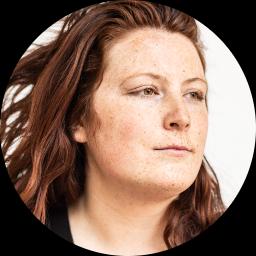
About Mallory
She frames her work around trauma-informed practice and addiction medicine while centering liberation for queer and BIPOC people. Sessions focus on identifying recurring patterns that keep someone stuck. Mallory helps clients notice those patterns and test different ways of responding to them.
In practical terms she offers space to talk through difficult experiences and the choices that follow them. Conversations may look at how past trauma affects current relationships and behaviors. They may also target impulsivity, substance use, or feelings of guilt and shame.
Mallory draws on evidence-based therapeutic techniques to guide change and to reduce the hold of old patterns. She aims to partner with each person on steps they can try between sessions. That can include short exercises, communication practices, or reflection prompts to use in daily life.
People who come to Mallory often want to stop repeating the same cycles. She supports them in testing new habits and in managing co-occurring concerns like mood dysregulation, dissociation, or addiction. Her approach keeps the work concrete and focused on what can change now.
License and NPI on record
- LCSW
- Colorado · CSW.09931269
- NPI
- 1740849033
As listed on the therapist's profile. A license can be checked with the state board, and an NPI with the national NPI registry.
Areas of expertise
Primary focus
Additional focus areas
Experience
6+ years
Credentials
Colorado
Languages
English
How evidence‑based techniques are used in remote sessions
Mallory uses trauma‑informed methods that focus on recognizing and changing patterns rooted in past harm. This approach helps people understand how earlier experiences affect current behaviors and relationships, and then try new responses in everyday life.She also applies practical addiction‑focused strategies that target substance use and impulsive actions. Those strategies break problems into manageable steps, build safer coping options, and include short between‑session tasks to practice new skills.
Choosing the right technique is part of the work together. Mallory will help assess what fits each person’s needs, goals, and preferences. That conversation is collaborative and can shift as progress is made or circumstances change.
Session formats are not specified in the original biography, so confirm current options before booking. Online sessions can make it easier to fit therapy into a busy week, reduce travel time, and allow for shorter check‑ins when needed. They also let people use quiet times in their day for focused work without needing extra commute time.
Frequently asked questions
What kinds of concerns does she address?
Mallory works with addictions, relationship issues, trauma and abuse, parenting strain, and self‑esteem difficulties. She also addresses related problems such as attachment issues, codependency, body image, and family conflict.
How does she approach someone feeling stuck?
She uses a trauma‑informed approach that highlights patterns maintaining the problem and practical steps to change them. Work often includes testing new responses and home practices between sessions.
What is her experience in this work?
She has six years of clinical experience focusing on addiction medicine and mental health concerns, with attention to queer and BIPOC liberation in her practice.
What credentials and location are listed?
She holds LCSW and CSW credentials and practices in Colorado as a Licensed Clinical Social Worker.
Which languages are supported?
Sessions are offered in English.
Does she work with international clients?
International clients are not currently accepted.
How are sessions priced?
Cost varies by location and sessions use a subscription model that can be canceled at any time.
How do I begin a first session?
Select the See online therapy options button, complete a short matching questionnaire, and schedule the first session through the booking flow.
Good to know
Therapists listed here offer talking therapy online. It is not career, financial or medical advice, and no therapist can promise a particular result.
If you are thinking about harming yourself, or you are in danger, contact a crisis line or emergency services. The numbers are at the foot of this page.