- Person-centered therapy
- Cognitive behavioral therapy
- Dialectical behavior therapy
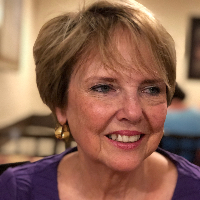
About Mary
Mary began her career as a high school art teacher. That work shaped how she listens and notices what matters to a person. She later mentored in church settings, where she observed common gaps in coping skills and practical supports people need to move forward.
She completed a Master’s degree in counseling at Houston Graduate School of Theology and earned a Ph.D. from Texas A&M Corpus Christi. Over the years she added study in trauma and PTSD, personality-related issues, grief, dissociation, depression, OCD, transitions, and anxiety.
In sessions she favors person-centered work alongside cognitive behavioral therapy and dialectical behavior therapy. Her way of working focuses on straightforward conversation, skill development, and practical strategies to handle day-to-day struggles. Sessions often include talking through patterns, trying new coping skills, and reflecting on values and choices.
Mary describes the people she has worked with as resilient and willing to do hard work. She frames therapy as collaborative, with the therapist helping people sort options and practice steps toward clearer decisions about work, relationships, and life direction.
License and NPI on record
- LPC
- Texas · 66464
- NPI
- 1194490177
As listed on the therapist's profile. A license can be checked with the state board, and an NPI with the national NPI registry.
Areas of expertise
Primary focus
Additional focus areas
Therapeutic approaches
Experience
10+ years
Credentials
Texas
Languages
English
How her therapeutic approaches translate online
Client-centered therapy focuses on listening and reflecting back what matters to a person. It helps when someone needs space to talk things through and to be heard while making their own choices. Cognitive behavioral therapy (CBT) looks at how thoughts, feelings, and actions connect and teaches practical skills to change unhelpful patterns. It is often used for anxiety, depressive symptoms, and behavior change. Dialectical behavior therapy (DBT) builds concrete skills for emotion regulation, distress tolerance, and interpersonal effectiveness and can help with intense emotions and impulsive behavior.Finding the right approach is part of the work. The therapist will discuss options and jointly decide which methods fit the client’s goals and daily life. That collaborative process may involve trying one approach, mixing techniques, and adjusting as needs change.
The biography does not list specific session formats, so confirm current online options before booking. Online therapy can make it easier to fit sessions into a busy schedule, reduce travel time, and allow shorter check-ins when needed. It also lets people use quieter surroundings or choose phone over video if that better suits their bandwidth and focus. Licensed professionals can translate CBT and DBT skills into exercises and worksheets that work in virtual sessions, while person-centered conversation adapts naturally to remote meetings.
Frequently asked questions
What kinds of concerns does she focus on?
She works with eating and sleeping problems, addictions, grief, LGBT concerns, career questions, bipolar disorder, coaching, ADHD, and related life issues such as abandonment and family of origin struggles.
How would she approach feeling stuck in life or work?
Her style blends person-centered conversation with practical skills from cognitive behavioral and dialectical behavior approaches to help people identify patterns and try new coping strategies.
How much clinical experience does she have?
She has 10 years of counseling experience working in schools, mentoring roles, and clinical settings.
What are her credentials and where is she based?
She is a Licensed Professional Counselor (LPC) registered in Texas and practices with that credential.
Does she provide sessions in other languages or to international clients?
Sessions are offered in English and she accepts international clients.
What session formats are offered?
The original biography does not specify session formats; please confirm current session options before booking.
How is cost handled for sessions?
Cost varies with location; sessions use a subscription that can be canceled at any time.
How do I begin a first session?
Begin by selecting the See online therapy options button, completing a short matching questionnaire, and scheduling a first session.
Good to know
Therapists listed here offer talking therapy online. It is not career, financial or medical advice, and no therapist can promise a particular result.
If you are thinking about harming yourself, or you are in danger, contact a crisis line or emergency services. The numbers are at the foot of this page.