
Lee Watts
LICSW, LCSWFlorida · 23 yrs exp
LICSW LCSW - Life purpose and intimacy issues
LGBT · Intimacy-related issues
Read profileTherapist directory · United States, United Kingdom and Australia
Need help now?Therapist listings are provided by BetterHelp. We will earn a commission at no extra cost to you if you use our links to buy.
This page groups profiles of professionals who list Family of Origin Issues among their focus areas. You can compare listed location, therapeutic approaches, credentials, languages, and related focus areas as you review options. Browse the profiles below to learn about each professional's listed background and stated approach.
Florida · 23 yrs exp
LICSW LCSW - Life purpose and intimacy issues
LGBT · Intimacy-related issues
Read profile
Indiana · 11 yrs exp
LCSW in Indiana - Life purpose and relationships
Stress, Anxiety · Grief · Depression · Coping with life changes · +8 more
Read profile
Kentucky · 11 yrs exp
Licensed Marriage and Family Therapist - Relationships and Life Changes
Stress, Anxiety · Relationship · Family · Self esteem · +9 more
Read profile
Illinois · 20 yrs exp
Illinois psychologist - Life purpose and coping
Stress, Anxiety · Relationship · Self esteem · Depression · +7 more
Read profile
South Carolina · 20 yrs exp
Licensed social worker - life purpose and coping
Stress, Anxiety · Relationship · Eating · Self esteem · +10 more
Read profile
New York · 14 yrs exp
LCSW - Life purpose and coping support
Stress, Anxiety · Trauma and abuse · Grief · Depression · +6 more
Read profile
Oregon · 17 yrs exp
LMFT - Stress and trauma focused
Stress, Anxiety · Trauma and abuse · Grief · Intimacy-related issues · +1 more
Read profile
Colorado · 13 yrs exp
Licensed Marriage and Family Therapist - Life purpose, relationships
Stress, Anxiety · LGBT · Relationship · Trauma and abuse · +10 more
Read profile
Texas · 6 yrs exp
Licensed Marriage and Family Therapist - Relationships and Life Change
Relationship · Family · Parenting · Self esteem · +1 more
Read profile
New Jersey · 20 yrs exp
Licensed Clinical Social Worker - Life purpose and coping
Stress, Anxiety · LGBT · Relationship · Parenting · +12 more
Read profile
Virginia · 20 yrs exp
VA Psychologist - Trauma and occupational stress
Read profile
North Carolina · 22 yrs exp
Licensed Marriage and Family Therapist - Life purpose and relationships
Stress, Anxiety · Addictions · Relationship · Family · +2 more
Read profile
Montana · 6 yrs exp
LCSW - Life purpose and transition support
Depression · Coping with life changes · Compassion fatigue · Stress, Anxiety · +9 more
Read profile
New York · 25 yrs exp
LCSW - Life purpose and coping support
Stress, Anxiety · Trauma and abuse · Self esteem · Depression · +11 more
Read profile
North Carolina · 24 yrs exp
Licensed Clinical Social Worker - Trauma and Life Direction
Stress, Anxiety · Relationship · Family · Trauma and abuse · +14 more
Read profile
Missouri · 15 yrs exp
Licensed Professional Counselor - Life purpose and transitions
Stress, Anxiety · Grief · Parenting · Depression · +1 more
Read profile
Texas · 30 yrs exp
Licensed therapist - Life purpose and relationships
Stress, Anxiety · Family · Parenting · Depression · +1 more
Read profile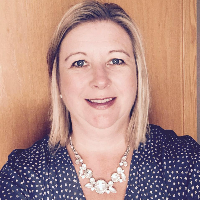
Minnesota · 3 yrs exp
MN Psychologist - Life purpose and mood concerns
Stress, Anxiety · Addictions · Relationship · Trauma and abuse · +8 more
Read profile
Florida · 18 yrs exp
Florida LMFT - Life purpose and relationships
Stress, Anxiety · Relationship · Grief · Self esteem · +8 more
Read profile
Alabama · 20 yrs exp
Licensed Professional Counselor - Life purpose and change
Stress, Anxiety · Grief · Parenting · Depression · +13 more
Read profile
Florida · 20 yrs exp
LCSW - Stress and life purpose support
Stress, Anxiety · Addictions · Relationship · Trauma and abuse · +6 more
Read profile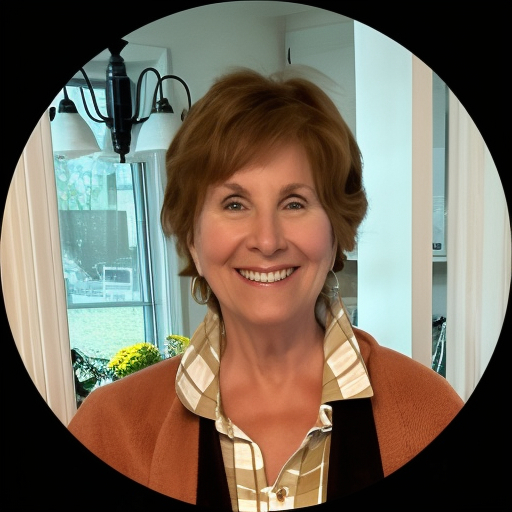
Ohio · 20 yrs exp
Ohio LISW - Life purpose and mood concerns
Stress, Anxiety · Relationship · Family · Grief · +9 more
Read profile
Louisiana · 17 yrs exp
Licensed counselor - Life purpose and addictions
Addictions · Relationship · Trauma and abuse · Intimacy-related issues · +1 more
Read profile
Washington · 27 yrs exp
LMHC in Washington - Life purpose and relationships
Stress, Anxiety · Relationship · Family · Self esteem · +7 more
Read profileWhen you look back at choices, relationships, or the way you respond to stress, old family patterns can feel like an invisible script shaping what matters to you. You may notice low mood, difficulty committing to a direction, trouble setting boundaries, or recurring conflicts that echo childhood dynamics. Those experiences can erode motivation and make it harder to weigh values and options clearly. If you feel stuck after a job change, a relationship shift, a health concern, or moving into a new life stage, family history can be one of many influences you might want to explore.
Exploring family of origin questions does not promise answers about purpose or meaning, and it does not replace practical supports. It can, however, offer context for patterns that limit your choices or that make decisions feel heavier than they should. If your low mood includes thoughts of harming yourself, call local emergency services or a crisis line right away - for example, 911 in the United States, 999 in the United Kingdom, or 000 in Australia - or reach out to a national crisis number available in your area. For ongoing emotional safety, discuss immediate risks with a clinician or a trusted contact before making changes to care.
Family influences and the search for life purpose are related but not identical. Your upbringing can shape the values you were taught, the expectations you absorbed, and the ways you were encouraged to pursue goals. That history can make it easier or harder to recognize what you genuinely care about now. On this site you will find professionals who list Family of Origin Issues along with life purpose, direction, or meaning among their focus areas. That overlap signals that some profiles explicitly note both interests, but it does not prove causation or a guaranteed fit for your needs.
You can use the directory to look for profiles that name both the family themes you want to explore and the broader life questions you are asking. Some people come to this work wanting to resolve specific relational patterns so they can make clearer decisions about work, relationships, or lifestyle. Others want to explore personal values and meaning first, and then examine how family history supports or undermines those values. Either path can be appropriate depending on what you want to focus on; a profile that lists both areas suggests the professional has chosen to include those topics in how they describe their practice, not that they have a particular credential or outcome related to them.
When you read profiles, think about concrete questions that will help you understand how a professional handles family of origin work and life-purpose conversations. Ask how they typically introduce family history with adults who feel stuck and what steps they take to connect that material to present decisions. You can ask whether they regularly work with people facing a specific transition you are experiencing and how they balance exploring the past with setting short-term, practical steps you can try.
It is also helpful to ask about the kinds of approaches a therapist uses in practice, phrased as options to discuss rather than as assumed training. For example, you might say: I noticed you list narrative approaches, psychodynamic ideas, or that therapists who list EMDR among their approaches sometimes address trauma-related family patterns - how do you use those approaches in your work? Ask how they describe collaboration on goals, how they measure progress, and what they consider appropriate next steps if a particular line of work feels unhelpful. If you have specific cultural, religious, or identity concerns, ask how that clinician incorporates those aspects into sessions and whether they have experience with similar backgrounds.
If you are considering online conversations, prepare to discuss practical and clinical details ahead of time. Ask about the technology they use and what you can expect if a technical problem interrupts a session. Clarify how you and the clinician will handle emergencies or times when you feel overwhelmed between conversations, and whether they have a plan for reaching local emergency services if needed. Talk about how they structure a typical period of work - whether they suggest short-term focused sessions to address a particular decision or a longer period to explore deeper family patterns and values.
It is appropriate to inquire about session length, preferred communication outside of scheduled time, and how they approach goal-setting for someone who wants greater clarity about meaning or direction. If you are concerned about paperwork, informed consent, or how notes are kept, raise those topics directly and ask for plain-language answers. If you are living in a different country from a clinician, confirm the listed location and discuss legal and regulatory considerations that affect care across borders. Remember that a degree such as PhD, PsyD, MD, MA, or MSW is an academic qualification and does not in itself guarantee current permission to practice; ask about any professional license, registration, or membership relevant to the country where they practise and how it applies to the listed location.
As you browse profiles, focus on specifics that matter to your situation. Compare the way each profile describes Family of Origin Issues alongside life purpose, direction, and meaning. Look for profiles that mention populations, age ranges, or transitions similar to yours, and pay attention to the ways clinicians describe their therapeutic style - whether they emphasize reflective exploration, practical decision-making, or a balance of both. Profiles may list approaches such as cognitive-behavioral ideas, psychodynamic perspectives, narrative work, or trauma-informed strategies; treat those mentions as conversation starters rather than proof of training.
Check which languages are listed if communication in a particular language matters to you. Note the academic degrees shown and then look for statements about professional licenses, registrations, or memberships that indicate legal permission to practise in a given jurisdiction. In the United States you will often see references to professional licenses; in the United Kingdom and Australia clinicians may reference registration bodies or professional memberships. Since degree titles and credentials mean different things across countries, ask about how a clinician's education and professional standing apply to the listed location in their profile.
Finally, consider the tone and level of detail in profiles. Some clinicians describe a clear, structured approach to goals and decision-making; others emphasize exploratory work that attends to emotion and meaning. Think about what balance you need right now between unpacking family history and making concrete choices about work, relationships, or personal projects. Use the profiles to form a short list of professionals whose stated focus areas, approach, and communication style feel like a potential fit, and then reach out to discuss your questions directly before beginning ongoing work.
This directory groups professionals who list Family of Origin Issues among their focus areas along with life purpose and related concerns. A listed topic on a profile does not establish scope of practice for children, couples, or families, nor does it confirm specific training or outcomes. Use profiles to compare listed location, approaches, degrees, registrations or licenses, languages, and described style, and bring the concrete questions from this page into your conversations with clinicians as you explore next steps.
Alabama
85 therapists
Alaska
12 therapists
Arizona
74 therapists
Arkansas
37 therapists
Australia
249 therapists
California
750 therapists
Colorado
133 therapists
Connecticut
56 therapists
Delaware
14 therapists
District of Columbia
23 therapists
Florida
546 therapists
Georgia
142 therapists
Hawaii
26 therapists
Idaho
33 therapists
Illinois
222 therapists
Indiana
92 therapists
Iowa
24 therapists
Kansas
35 therapists
Kentucky
88 therapists
Louisiana
92 therapists
Maine
22 therapists
Maryland
123 therapists
Massachusetts
79 therapists
Michigan
181 therapists
Minnesota
68 therapists
Mississippi
43 therapists
Missouri
114 therapists
Montana
33 therapists
Nebraska
30 therapists
Nevada
36 therapists
New Hampshire
15 therapists
New Jersey
121 therapists
New Mexico
24 therapists
New York
353 therapists
North Carolina
209 therapists
North Dakota
6 therapists
Ohio
133 therapists
Oklahoma
85 therapists
Oregon
40 therapists
Pennsylvania
186 therapists
Rhode Island
12 therapists
South Carolina
94 therapists
South Dakota
11 therapists
Tennessee
92 therapists
Texas
642 therapists
United Kingdom
808 therapists
Utah
56 therapists
Vermont
11 therapists
Virginia
124 therapists
Washington
92 therapists
West Virginia
15 therapists
Wisconsin
86 therapists
Wyoming
11 therapists