- Talk therapy
- Play therapy
- Creative expression
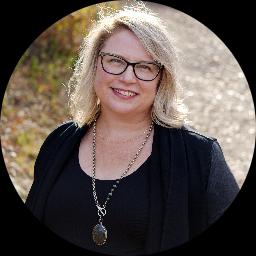
About Michelle
Her background includes work in clinical mental health and educational settings, from middle and high schools to college environments. She has experience related to juvenile justice systems and brings that perspective into her work with individuals facing complex life stressors.
Michelle uses traditional talk therapy and is registered as a play therapist. Sessions may include music, art, or other creative expressions when those methods help a person put feelings into words or try a different way of processing difficult topics.
In sessions she offers steady, nonjudgmental listening and practical conversation about next steps. People can expect to talk through what feels stuck, try small changes, and notice how those changes affect daily life.
Her practice attends to everyday problems like money and workplace stress as well as deeper concerns such as guilt, shame, post-traumatic stress, and forgiveness. Michelle aims to help clients clarify values and choices when facing midlife questions or uncertainty about what comes next.
License and NPI on record
- LPC-MH
- South Dakota · LPC-MH30739
- LPCC
- California · 17521
- NPI
- 1386029460
As listed on the therapist's profile. A license can be checked with the state board, and an NPI with the national NPI registry.
Areas of expertise
Primary focus
Additional focus areas
Experience
18+ years
Credentials
South Dakota, California
Languages
English
How therapeutic methods translate to online work
Many of the techniques Michelle uses are adaptable to remote sessions. Traditional talk therapy focuses on conversation to identify patterns, clarify goals, and plan small changes; it helps with anxiety, depression, workplace stress, and decision points. Play-based approaches bring music, art, or creative tasks into sessions; these methods can help people express difficult emotions or practice new ways of communicating when words feel limited.Choosing the right approach is a collaborative process. Michelle will help clients compare methods and decide what fits their needs, goals, and preferences. That selection can shift over time as the work progresses and as clients notice what helps them most.
Session formats supported by this profile are not specified in the biography, so confirm current options before booking. Online work can make it easier to fit sessions into a busy schedule, allow shorter check-ins when needed, and remove travel time. It can also let people use creative tools immediately during a session, such as music or drawing, to try out new ways of working on stress, grief, or life-purpose questions.
Frequently asked questions
What concerns does she help with?
She works with stress, anxiety, grief, depression, LGBT issues, and coping with life changes. Additional areas include abandonment, caregiver stress, loneliness, and life purpose.
How does she approach someone feeling stuck?
She uses traditional talk therapy and can include music, art, or other creative expression to make feelings easier to discuss. The focus is on practical conversation and small, manageable steps.
How much experience does she have?
Michelle has 18 years of professional experience working in clinical mental health and educational settings.
What are her credentials and where is she based?
She holds LPC-MH and LPCC credentials and is licensed in South Dakota.
Does she offer sessions in other languages?
Sessions are offered in English.
Can international clients work with her?
She is not accepting international clients at this time.
How are sessions paid for and what do they cost?
Cost varies by location; sessions use a subscription that can be canceled at any time. Exact pricing is provided during the sign-up process.
How do I get started?
Select the See online therapy options button, complete a short matching questionnaire, and schedule your first session.
Good to know
Therapists listed here offer talking therapy online. It is not career, financial or medical advice, and no therapist can promise a particular result.
If you are thinking about harming yourself, or you are in danger, contact a crisis line or emergency services. The numbers are at the foot of this page.