- Life purpose questions
- Career and workplace
- CBT and DBT techniques
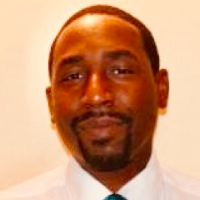
About Robert
He uses several practical approaches in sessions and adapts techniques to the concerns a person brings. Sessions are collaborative: the client’s experience and goals guide which tools are tried. Robert combines skills-based methods with conversational work to address thought patterns, emotional regulation, and decision points.
Common topics he helps people talk through include workplace stress, grief, communication problems, codependency, divorce and separation, and questions about life purpose. He also addresses blended family issues, infidelity, forgiveness, sexuality, social anxiety, and challenges facing young adults and men.
Robert draws from Cognitive Behavioral Therapy, Dialectical Behavior Therapy, Motivational Interviewing, and Solution-Focused Therapy to shape sessions. That mix supports practical skill-building, short-term goal work, and longer patterns of emotional response. He will discuss how these approaches fit each person’s needs.
Sessions are conducted in English and Robert practices in Wisconsin. He does not accept international clients. The site’s booking steps include a short matching questionnaire and then scheduling a first session using the online options button.
License and NPI on record
- LPC
- Wisconsin · 8160-125
- NPI
- 1487105524
As listed on the therapist's profile. A license can be checked with the state board, and an NPI with the national NPI registry.
Areas of expertise
Primary focus
Also works with
Additional focus areas
Therapeutic approaches
Experience
3+ years
Credentials
Wisconsin
Languages
English
How therapeutic approaches are used in online sessions
Robert commonly uses Cognitive Behavioral Therapy and Dialectical Behavior Therapy in his work. CBT focuses on identifying and changing unhelpful thought patterns and behaviors to reduce symptoms like anxiety and depression. DBT adds skills for managing strong emotions and improving interpersonal effectiveness, which can help with relationship stress and emotional dysregulation.Choosing the right approach is part of the work together. He will talk with clients about goals, try techniques, and adjust methods based on what helps. That collaborative process helps match practical tools to the person’s situation and preferences.
Confirm the session formats available before booking, as the biography does not list specific formats. Online sessions can make it easier to fit therapy into a busy schedule, allow shorter check-ins when needed, and reduce travel time. Therapists can also adapt exercises and skill practice to work well through the session format you agree on.
Frequently asked questions
What concerns does he focus on?
He works with career doubts, stress, anxiety, depression, bipolar concerns, relationship and intimacy issues, grief, and coping with life changes.
How does he approach feeling stuck?
He uses practical techniques and conversational work. Sessions are collaborative and guided by the client’s goals.
What experience does he bring?
He has three years of experience as an LPC practicing in Wisconsin.
What are his credentials and location?
He is an LPC - Licensed Professional Counselor practicing in Wisconsin.
Are sessions available in other languages?
Sessions are offered in English.
Can people outside the United States work with him?
He does not accept international clients at this time.
How does payment and cost work?
Cost varies with location and sessions use a subscription model that can be canceled at any time.
What are the steps to begin sessions?
Use the See online therapy options button, complete a short matching questionnaire, and schedule a first session.
Good to know
Therapists listed here offer talking therapy online. It is not career, financial or medical advice, and no therapist can promise a particular result.
If you are thinking about harming yourself, or you are in danger, contact a crisis line or emergency services. The numbers are at the foot of this page.