- Stress and anxiety
- Coping with change
- Life purpose focus
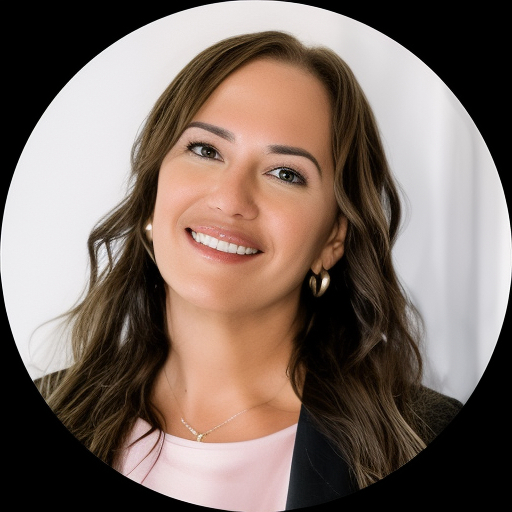
About Sally
Sally uses evidence-based therapeutic techniques to offer practical tools for managing anxiety and low mood. Sessions involve talking through current problems, identifying small steps to reduce overwhelm, and trying techniques that can be practiced between meetings. She emphasizes collaborative work so clients help shape what they try in session.
Her background includes direct work with issues such as abandonment and attachment concerns, blended family dynamics, caregiver stress, body image, and communication problems. She also supports people dealing with isolation or major relationship shifts like divorce and separation. Those facing trauma, guilt, shame, impulsivity, or neurodivergent experiences such as autism or Asperger Syndrome are also within her stated focus areas.
Sally describes an initial meeting as a brief history and a chance to set priorities together. That first session is aimed at building rapport and clarifying what the client wants to address. Follow-up sessions typically continue with practical strategies and regular check-ins on progress.
She writes that becoming a parent influenced her career choice and that work with adults often centers on finding meaning and direction after life changes. Sessions are conducted in English and follow California practice standards.
License and NPI on record
- LPCC
- California · 19860
- NPI
- 1720763865
As listed on the therapist's profile. A license can be checked with the state board, and an NPI with the national NPI registry.
Areas of expertise
Primary focus
Additional focus areas
Experience
3+ years
Credentials
California
Languages
English
How evidence-based methods translate to online work
Many of the approaches Sally mentions fall under evidence-based therapeutic techniques that focus on skills and structured work. One common approach involves teaching specific coping skills for anxiety and mood regulation, such as relaxation techniques and behavioral strategies that reduce overwhelm. These skills are practical and can be practiced between sessions to help manage stress and low mood.Another frequently used method emphasizes examining patterns in relationships and attachment. That work looks at how past experiences shape current expectations and communication, and it helps people try different ways of interacting when relationships feel stuck. This can be useful for people dealing with abandonment, attachment issues, or blended family challenges.
Choosing the right mix of techniques is part of the therapy process. The therapist will work collaboratively with each person to decide which approaches fit their goals and preferences, and will adjust plans as needs change over time.
Session formats are not specified in the biography, so confirm current session options before booking. In general, online work can make it easier to fit appointments into a busy week, allow shorter check-ins when needed, or reduce travel time. Talk with the therapist about which session structure would best fit daily life and practical constraints.
Frequently asked questions
What kinds of concerns does she help with?
Sally lists stress, anxiety, trauma and abuse, self-esteem, depression, and coping with life changes as primary concerns. She also notes additional focus areas such as attachment issues, caregiver stress, body image, and life purpose.
How would she approach feeling stuck or uncertain about direction?
She uses evidence-based techniques and collaborative conversations to identify small, practical steps forward. Sessions typically mix talking through problems with tools you can try between meetings.
What experience does she bring?
Sally has three years of clinical experience working with adults and a range of life concerns. Her biography notes particular work around trauma, relationship shifts, and developmental needs.
What are her credentials and where does she practice?
She is a California LPCC, which stands for Licensed Professional Clinical Counselor, and she practices in California.
In which languages can sessions be held?
Sessions are offered in English.
Can I work with her if I live outside the United States?
International clients are not currently accepted; she works with clients within the stated region.
How are sessions paid for and what do they cost?
Cost varies with location and sessions use a subscription that can be canceled at any time. Exact pricing is provided through the platform during sign-up.
How do I get started with a first session?
Start by selecting the See online therapy options button, complete a short matching questionnaire, and schedule your first session. The initial meeting includes a brief history and goal-setting.
Good to know
Therapists listed here offer talking therapy online. It is not career, financial or medical advice, and no therapist can promise a particular result.
If you are thinking about harming yourself, or you are in danger, contact a crisis line or emergency services. The numbers are at the foot of this page.