- Stress and anxiety
- Relationship struggles
- Life purpose questions
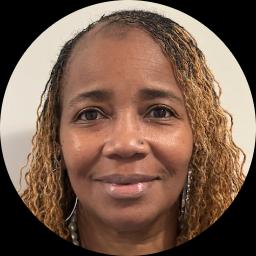
About Sheila
Sheila helps people who feel stuck after a change or who are unsure what matters next. Sessions typically look at current patterns that cause distress and at small changes that can ease daily life. She uses practical conversation and structured techniques to reduce worry and improve communication.
Her work often includes addressing shame and self-directed criticism so people can feel less isolated. Sheila talks through how past hurts affect present choices and where forgiveness might fit into recovery. She also helps people articulate values and next steps when life purpose feels unclear.
Over two decades she has refined ways to support people through transitions without promising quick fixes. Sheila encourages realistic, step-by-step adjustments that can be tried between sessions. She invites straightforward discussion about goals, obstacles, and what a useful next session looks like.
Clients run through clear, manageable tasks and reflect on what changes help. The overall aim is to create a steady, workable plan for moving forward when things feel uncertain.
License and NPI on record
- LPC
- South Carolina · 8607
- NPI
- 1417553868
As listed on the therapist's profile. A license can be checked with the state board, and an NPI with the national NPI registry.
Areas of expertise
Primary focus
Additional focus areas
Experience
20+ years
Credentials
South Carolina
Languages
English
How evidence-based approaches fit into remote sessions
Sheila integrates straightforward, evidence-based techniques to address common problems. Cognitive strategies look at unhelpful thinking patterns and teach practical skills to reduce worry and depressive thinking. These techniques help when anxiety or mood makes decision-making and daily life hard.Behavioral methods focus on small, actionable steps. That can mean scheduling manageable activities, practicing social interactions, or trying short experiments to test new ways of communicating. These steps aim to reduce isolation and build confidence in daily routines.
Finding the right approach is part of the work. Sheila will collaborate with each person to identify which techniques feel most useful based on goals and preferences. Together they track what changes help and adjust methods over time rather than assuming one fixed path.
Session formats are not specified in the biography, so confirm current options before booking. Online sessions can make it easier to fit therapy into busy days by removing travel and allowing shorter check-ins when needed. They can also let people use quieter surroundings or phone-only conversations when that better fits a schedule or comfort level.
Frequently asked questions
What kinds of problems does she work with?
Sheila works with stress, anxiety, depression, relationship concerns, trauma and coping with life changes. She also addresses communication problems, shame, isolation, and questions about life purpose.
How does she approach feeling stuck or uncertain?
She uses practical conversation and evidence-based techniques to identify patterns that keep someone stuck. Sessions focus on small, testable changes and clearer decision steps.
How much experience does she bring?
She has 20 years of experience as a clinician working with a range of emotional and relational concerns.
What are her credentials and where is she based?
She holds the LPC credential and practices in South Carolina.
Can non-US clients work with her?
Sessions are offered in English and she is not currently accepting international clients.
What session formats are offered?
Please confirm current session options before booking, as the biography does not specify formats.
How are fees handled?
Cost varies by location and sessions use a subscription that can be canceled at any time.
How do I begin working with her?
Use the See online therapy options button, complete a short matching questionnaire, and schedule a first session.
Good to know
Therapists listed here offer talking therapy online. It is not career, financial or medical advice, and no therapist can promise a particular result.
If you are thinking about harming yourself, or you are in danger, contact a crisis line or emergency services. The numbers are at the foot of this page.