- CBT methods
- Solution-focused work
- Geriatric concerns
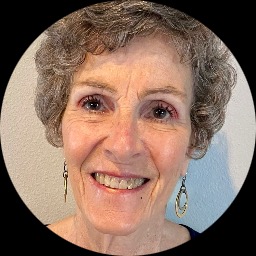
About Shelley
Shelley takes a thinking-focused approach. She helps clients notice the thoughts that shape feelings and choices. From there she uses straightforward strategies to change unhelpful patterns. Sessions are direct but respectful, mixing honest feedback with calm support.
She often uses Cognitive Behavioral Therapy, which looks at how thoughts, feelings, and actions connect. She also uses Solution-Focused Therapy to identify what is already working and build incremental change. These methods aim to make problems more manageable rather than relying on vague ideas.
Clients commonly bring issues tied to aging, cancer, caregiving, or end-of-life concerns. She also addresses codependency, communication problems, guilt, shame, loneliness, and veteran-related matters. Shelley frames these topics as concrete problems to address with clear steps.
Her style is practical. Conversations center on skills and choices the client can try between meetings. People who want clear, methodical ways to handle worry, grief, or transitions tend to find this approach useful.
License and NPI on record
- LCSW
- Florida · SW5508
- NPI
- 1992939037
As listed on the therapist's profile. A license can be checked with the state board, and an NPI with the national NPI registry.
Areas of expertise
Additional focus areas
Therapeutic approaches
Experience
35+ years
Credentials
Florida
Languages
English
How her approaches guide online work
CBT, or Cognitive Behavioral Therapy, looks at how thoughts influence feelings and actions. It breaks problems into manageable pieces and teaches skills to shift unhelpful thinking. This can help with anxiety, depression, and stress by giving concrete tools to try between sessions.Solution-Focused Therapy concentrates on what is already working and on small, achievable changes. It helps clients set clear goals and test simple steps that move daily life forward. This approach is often chosen when people want fast, practical progress rather than long-term exploration.
Choosing the right approach is part of the work together. Shelley will discuss options and adapt methods based on each person’s needs, goals, and preferences. The decision about which techniques to use is collaborative and can change as progress is made.
Session formats are not specified in the biography, so confirm current session options before booking. Many people find online sessions help fit therapy into a busy schedule, since they can be easier to attend around work or caregiving duties. Online work can allow shorter check-ins, reduce travel time, and make it simpler to maintain continuity during life transitions.
Frequently asked questions
What kinds of problems does she address?
Shelley works with stress, anxiety, grief, low self-esteem, depression, and coping with life changes. Additional areas include aging, cancer, caregiver stress, codependency, communication problems, and life purpose.
How does she approach feeling stuck or unsure what to do next?
She uses problem-solving methods that focus on the thoughts that shape behavior. Sessions aim to identify small, practical steps clients can try between meetings.
What is her professional background and experience?
She holds an LCSW and has practiced for 35 years, working with adults and older adults on a range of life stressors and transitions.
Where is she licensed and based?
She is a Florida LCSW and practices with clients in Florida.
Which languages are supported?
Sessions are offered in English.
Can people outside the United States work with her?
She does not accept international clients at this time.
How are fees handled?
Cost varies with location; sessions use a subscription that can be canceled at any time.
What are the steps to begin working together?
Select the See online therapy options button, complete a short matching questionnaire, and schedule a first session.
Good to know
Therapists listed here offer talking therapy online. It is not career, financial or medical advice, and no therapist can promise a particular result.
If you are thinking about harming yourself, or you are in danger, contact a crisis line or emergency services. The numbers are at the foot of this page.