- Stress and anxiety
- Life transitions
- Family problems
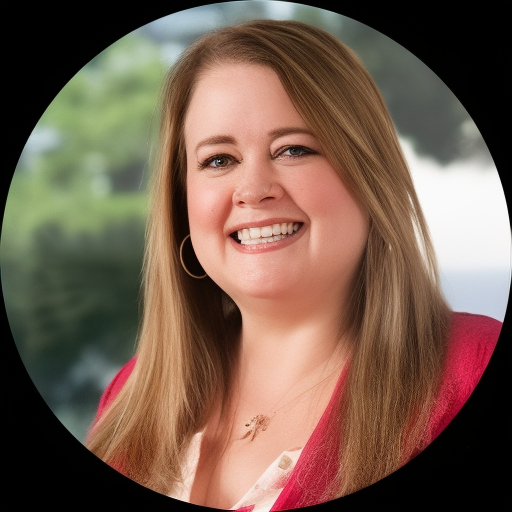
About Shonny
She meets clients one-on-one and listens closely to what they bring. Shonny asks focused questions and looks for patterns that shape daily life. She combines honest reflection with practical tools people can use between sessions.
Early sessions include conversation about what’s been happening and what the client hopes will change. She uses screening tools and assessments to get a clearer picture of symptoms and needs, then works with the client to make a plan.
Her approach is steady and direct. She aims to help people build insight and make lasting changes rather than quick fixes. Sessions often cover emotional patterns, communication problems, caregiver stress, and feelings of emptiness or guilt.
Shonny also addresses social anxiety and phobia, forgiveness, and self-love work. She supports people coping with mood disorders and substance use concerns as they work toward healthier routines and relationships.
License and NPI on record
- LCSW
- New York · 073022
- NPI
- 1699713180
As listed on the therapist's profile. A license can be checked with the state board, and an NPI with the national NPI registry.
Areas of expertise
Primary focus
Additional focus areas
Experience
25+ years
Credentials
New York
Languages
English
How Shonny uses evidence-based approaches online
Shonny uses evidence-based therapeutic techniques that focus on understanding patterns and building practical skills. One common approach emphasizes identifying the thoughts and behaviors that keep problems going and practicing new ways of responding; this helps with anxiety, mood issues, and social fears. Another approach she uses targets relationship patterns and communication, helping people notice repeated dynamics and try concrete changes that can reduce conflict and improve closeness.Finding the right approach is part of the work. She will discuss different ways of working and collaborate with the client to choose methods that match their goals and preferences. The therapist adjusts strategies as progress is reviewed so the plan fits the person rather than forcing a single method.
The biography does not list which online session formats are offered, so confirm current options before booking. Online work can make it easier to fit sessions into a busy week, shorten check-ins when needed, or avoid travel time. Many people find it helpful that sessions can be scheduled around work, caregiving duties, or other commitments while keeping the focus on steady, practical progress.
Frequently asked questions
Which kinds of concerns does she help with?
She works with stress, anxiety, depression, self-esteem, coping with life changes, and life purpose questions. Additional focuses include caregiver stress, communication problems, guilt and shame, and social anxiety.
How would she describe her therapeutic style?
Her style is steady, direct, and practical. She listens closely, asks thoughtful questions, and offers tools people can use outside sessions.
What is her clinical experience?
She brings 25 years of clinical experience working with people facing anxiety, trauma, depression, relationship challenges, and major transitions.
What credential and location information is provided?
She is a Licensed Clinical Social Worker (LCSW) licensed in New York and practices from that location.
Which languages are supported?
Sessions are offered in English.
Can international clients work with her?
She is not currently accepting international clients.
What session formats are available?
The original biography does not specify session formats; confirm current session options before booking.
How are payments and getting started handled?
Costs vary with location and sessions use a subscription that can be canceled at any time. To begin, select the See online therapy options button, complete a short matching questionnaire, and schedule a first session.
Good to know
Therapists listed here offer talking therapy online. It is not career, financial or medical advice, and no therapist can promise a particular result.
If you are thinking about harming yourself, or you are in danger, contact a crisis line or emergency services. The numbers are at the foot of this page.