- Stress and anxiety
- Relationship challenges
- Life purpose focus
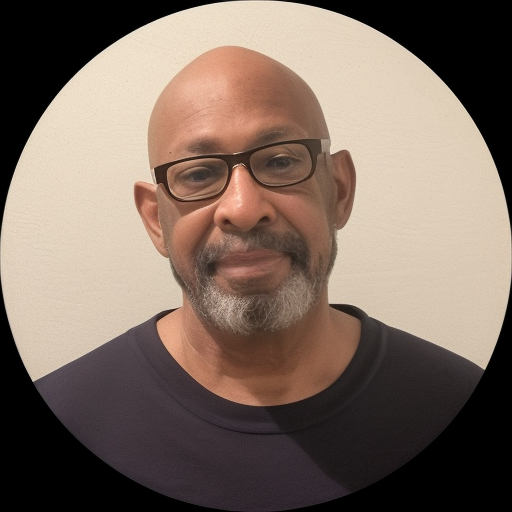
About Washington
He helps people untangle communication problems and control issues. He supports those coping with guilt, shame, isolation, and social anxiety. Life purpose and post-traumatic stress are also areas he addresses in sessions.
Sessions are practical and straightforward. He listens for patterns that keep someone stuck and introduces steps to test new behaviors. Conversations often focus on concrete skills for managing anxiety and improving everyday interactions.
Washington uses evidence-based therapeutic techniques alongside attention to each person's broader life context. That means pulling from approaches that have been shown to help with trauma, mood, and relationship strain, and adjusting them to what actually fits the person in the room.
Clients can expect a collaborative process. He works with people to set achievable goals, track progress, and adjust the plan when needed. The emphasis is on usable strategies for coping with current problems and making clearer decisions about what comes next.
License and NPI on record
- LCMHC
- North Carolina · 3809
- NPI
- 1801940424
As listed on the therapist's profile. A license can be checked with the state board, and an NPI with the national NPI registry.
Areas of expertise
Primary focus
Additional focus areas
Experience
21+ years
Credentials
North Carolina
Languages
English
Approaches that guide online sessions
Many of his methods come from evidence-based therapeutic techniques that focus on symptoms and behavior. One common approach helps people learn concrete skills to manage anxiety and day-to-day stress, such as breathing, attention training, and step-by-step exposure to feared situations. Another approach often used addresses trauma by helping people process difficult memories and reduce the ways those memories interfere with current life and relationships.Finding the right approach is part of the work together. He will review your goals, try techniques that match those goals, and adjust methods as you give feedback. That collaborative process helps identify what feels useful and what should be changed.
Session formats are not specified in the biography, so confirm current options before booking. In general, online work can make it easier to fit sessions into a busy week, allow shorter check-ins when needed, and remove travel time. These practical benefits help some people keep momentum while they test new ways of handling stress, relationships, and questions about life purpose.
Frequently asked questions
What kinds of concerns does he help with?
He works with stress, anxiety, relationship issues, trauma and abuse, self-esteem problems, and coping with life changes.
How does he approach someone who feels stuck?
He uses practical, evidence-based techniques and collaborative goal setting to identify patterns and try small behavioral changes.
How much experience does he have?
He has 21 years of experience working in mental health settings and private practice in North Carolina.
What are his credentials and where is he located?
He is an LCMHC licensed in North Carolina and practices there.
In what languages can sessions be held?
Sessions are offered in English.
Does he work with clients outside the United States?
He is not currently accepting international clients.
How are fees handled?
Cost varies by location and sessions use a subscription model that can be canceled at any time.
How do I begin a first session?
Select the See online therapy options button, complete a short matching questionnaire, and schedule a first session.
Good to know
Therapists listed here offer talking therapy online. It is not career, financial or medical advice, and no therapist can promise a particular result.
If you are thinking about harming yourself, or you are in danger, contact a crisis line or emergency services. The numbers are at the foot of this page.