- Anxiety and depression
- Trauma informed care
- Parenting and family
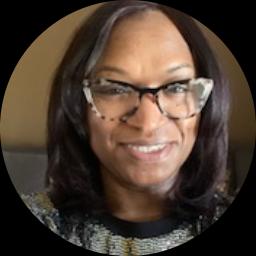
About Yasmina
In sessions she emphasizes straightforward conversation and practical steps. She uses approaches such as client-centered work and cognitive behavioral techniques to help people notice patterns of thinking and try different responses. Solution-focused methods are used to identify small changes that produce clearer momentum. Trauma-focused work is applied when past events are affecting day-to-day functioning.
Sessions tend to be collaborative and goal-oriented. Yasmina encourages people to set clear, manageable goals and to track what changes over time. She listens for how relationships and daily routines affect mood and productivity, then suggests experiments clients can do between meetings.
Her background includes a decade of clinical work in Maryland settings, working with adults on mood disorders, trauma recovery, and parenting challenges. She conducts work in English and does not accept international clients at this time.
People curious about life purpose or feeling stuck often begin by defining one small area to change. Yasmina asks practical questions, checks what is already working, and helps plan the next steps toward clearer priorities and steadier routines.
License and NPI on record
- LCPC
- Maryland · LC9123
- NPI
- 1346620713
As listed on the therapist's profile. A license can be checked with the state board, and an NPI with the national NPI registry.
Areas of expertise
Primary focus
Also works with
Additional focus areas
Therapeutic approaches
Experience
10+ years
Credentials
Maryland
Languages
English
How her therapeutic approaches translate to online work
Client-Centered Therapy focuses on listening and understanding the person as they describe their current problems and hopes. It aims to make space for honest conversation and helps people clarify what matters most to them. Cognitive Behavioral Therapy, or CBT, looks at links between thoughts, feelings, and behaviors and offers practical tools to test and change unhelpful patterns. It is often used for anxiety, depression, ADHD-related struggles, and stress management.Finding the right approach is treated as a collaborative process. The therapist will discuss goals, preferences, and what has or hasn't worked before, and then suggest one or more approaches to try. That plan can be adjusted over time based on how the client responds and what feels useful in day-to-day life.
Confirm the session formats before booking since the biography does not list specific online options. Online sessions can make it easier to fit therapy into a busy schedule, allow shorter check-ins when helpful, and reduce travel time. Many people find virtual work helps them practice new skills in real contexts and keep momentum between meetings.
Frequently asked questions
What kinds of problems does she help with?
She works with anxiety, depression, bipolar mood concerns, stress, ADHD, relationship and parenting issues, trauma and abuse, and matters around life purpose.
How would she describe her therapeutic style?
Her style is collaborative and practical, using client-centered conversation alongside cognitive behavioral and solution-focused techniques to set clear goals.
How much clinical experience does she have?
She has 10 years of professional clinical work experience in Maryland settings.
What credential does she hold and where is she located?
She holds an LCPC credential in Maryland and practices in that state.
Which languages are supported for sessions?
Sessions are offered in English.
Can international clients work with her?
She is not currently accepting international clients.
How are sessions scheduled and what about cost?
Cost varies with location; sessions use a subscription that can be canceled at any time.
How do I begin if I want to work with her?
Select the See online therapy options button, complete a short matching questionnaire, and schedule a first session.
Good to know
Therapists listed here offer talking therapy online. It is not career, financial or medical advice, and no therapist can promise a particular result.
If you are thinking about harming yourself, or you are in danger, contact a crisis line or emergency services. The numbers are at the foot of this page.