- Stress and anxiety
- Trauma recovery
- Life purpose
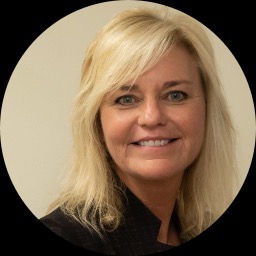
About Angela
She most often sees adult women who have experienced trauma or inequity, though she also has experience with adolescents and children. In sessions she talks through communication habits and helps people do practical self-review. That can include building confidence, practicing new ways of relating, and learning techniques to manage difficult feelings.
Angela names structural factors such as privilege, bias, and systemic racism as influences on how people experience trauma, grief, and recovery. She says she acknowledges her own position of privilege and brings cultural humility into conversations about historical and racial trauma.
Her style centers on treating clients as experts on their own stories and identifying existing strengths. Therapy sessions involve direct conversation about what matters now and practical steps to shift how a person feels and connects with others.
For those wondering about life purpose, Angela includes that topic among her focus areas and will explore values, roles, and choices that shape a sense of direction. To begin, she asks people to complete a short matching questionnaire and then schedule an initial session.
License and NPI on record
- LCMHC
- North Carolina · 6726
- NPI
- 1487808788
As listed on the therapist's profile. A license can be checked with the state board, and an NPI with the national NPI registry.
Areas of expertise
Primary focus
Additional focus areas
Experience
10+ years
Credentials
North Carolina
Languages
English
How therapeutic approaches translate to online sessions
Evidence-based techniques she references include trauma-informed care, which focuses on recognizing how past harm affects current reactions and relationships and offers strategies to reduce reactivity and manage symptoms. This approach can help with post-traumatic stress, grief, and impacts of abuse.Another commonly used approach is skills-based work for anxiety and mood concerns, which teaches specific practices such as breathing, grounding, and behavior changes to reduce panic and improve daily functioning. These techniques help with panic attacks, social anxiety, and persistent worry.
Choosing the right approach is part of the work. The therapist will collaborate with each person to identify which methods fit their needs, goals, and preferences. That means checking in, adjusting techniques, and combining strategies where helpful so the plan evolves with progress.
The practical benefits of online sessions include greater flexibility for scheduling and the ability to fit sessions into a workday or busy life. When session formats are not listed in a profile, confirm the current options before booking to know whether video, phone, or other formats are offered. Online work can make it easier to maintain regular appointments and practice skills between meetings.
Frequently asked questions
What kinds of concerns does she address?
She works with stress, anxiety, trauma and abuse, grief, depression, and compassion fatigue. Additional focus areas include life purpose, body image, communication problems, and women's issues.
How does she approach someone feeling stuck or uncertain?
Her approach uses conversational, practical work that looks at communication habits and self-review. Sessions focus on identifying strengths and learning techniques to change how people feel and relate.
What is her professional background?
She has 10 years of professional experience working with adults, adolescents, and children, and has substantial experience with adult women affected by trauma or inequity.
What credentials and location are listed?
She holds the LCMHC credential and is licensed in North Carolina.
Which languages and international options are available?
Sessions are offered in English. International clients are not currently accepted.
What session formats does she offer?
The original profile does not list specific session formats. Confirm current session options before booking.
How is cost handled?
Cost varies with location and sessions use a subscription that can be canceled at any time.
How do I get started with therapy?
Select the See online therapy options button, complete a short matching questionnaire, and schedule a first session.
Good to know
Therapists listed here offer talking therapy online. It is not career, financial or medical advice, and no therapist can promise a particular result.
If you are thinking about harming yourself, or you are in danger, contact a crisis line or emergency services. The numbers are at the foot of this page.