- CBT focus
- Solution focused
- Communication skills
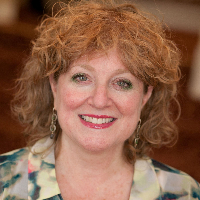
About Cheri
Cheri uses straightforward, skills-based approaches. Sessions often include practical communication strategies and steps to manage symptoms day to day. She draws most on Cognitive Behavioral Therapy and Solution-Focused Therapy to help people identify patterns and test small changes that can feel doable.
Outside direct practice, Cheri teaches Introduction to Counseling and Introduction to Social Work at a community college and wrote the text for that class. She has served as a board member for the National Association of Social Workers and teaches a licensure exam preparation course.
In sessions she helps people spot unhelpful thoughts, try new behaviors, and clarify short-term goals. She also guides people toward community resources that can support work done in therapy. The tone is practical and instructional rather than abstract.
Her background in social work and teaching shapes a pragmatic approach. People who want clear steps, communication skills, and help planning next moves often find this style useful. To begin, the service asks users to complete a short matching questionnaire and schedule a first session.
License and NPI on record
- LCSW
- Illinois · 149003655
- NPI
- 1336271238
As listed on the therapist's profile. A license can be checked with the state board, and an NPI with the national NPI registry.
Areas of expertise
Primary focus
Also works with
Additional focus areas
Therapeutic approaches
Experience
15+ years
Credentials
Illinois
Languages
English
How her CBT and Solution-Focused methods transfer to remote sessions
Cheri commonly uses Cognitive Behavioral Therapy and Solution-Focused Therapy in her work. CBT focuses on the links between thoughts, feelings, and actions and helps people test different ways of thinking and behaving to reduce symptoms like anxiety or depression. Solution-Focused Therapy narrows attention to specific, short-term goals and practical steps that can be tried between sessions.Choosing the right approach is collaborative. She will talk with clients about their goals and preferences and adapt techniques as needed. That conversation helps decide whether to emphasize thought restructuring, brief goal work, communication skills, or a mix of methods.
Session format details are not listed in the biography, so confirm current options before booking. Online work can make it easier to fit sessions into a busy week, allow shorter check-ins when needed, and reduce commute time. It can also let people practice communication skills and behavioral experiments in their day-to-day life with support from a licensed professional.
Frequently asked questions
What kinds of concerns does she help with?
She works with stress, anxiety, depression, relationship and intimacy issues, grief, addiction concerns, and coping with life changes, among other topics listed in her profile.
How does she approach someone feeling stuck?
She uses practical, skills-based methods such as Cognitive Behavioral Therapy and Solution-Focused Therapy to identify patterns and try manageable changes.
What is her professional background?
She has 15 years of experience, an MSW from Washington University in St. Louis, teaches counseling courses, and has held a board position with the National Association of Social Workers.
What are her credentials and location?
She is an LCSW licensed in Illinois and practices from that state.
Does she offer sessions in other languages?
Sessions are offered in English.
Can people outside the United States work with her?
International clients are not currently accepted.
How are sessions paid for?
Cost varies with location; sessions use a subscription that can be canceled at any time.
How do I get started with her practice?
Select the See online therapy options button, complete a short matching questionnaire, and schedule a first session.
Good to know
Therapists listed here offer talking therapy online. It is not career, financial or medical advice, and no therapist can promise a particular result.
If you are thinking about harming yourself, or you are in danger, contact a crisis line or emergency services. The numbers are at the foot of this page.