- Client-centered methods
- Cognitive behavioral work
- Emotion regulation skills
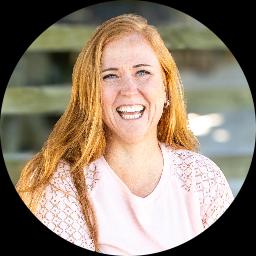
About Cheryl
Cheryl approaches therapy in a direct, conversational way. She uses client-centered methods that prioritize the client's perspective. She also draws on cognitive behavioral techniques to spot and reshape unhelpful thinking patterns. Dialectical behavior skills are used when emotion regulation and distress tolerance are needed.
She has additional interest in abandonment issues, body image, caregiver stress, codependency, communication and commitment problems, and recovery after separation or divorce. Cheryl has worked with people facing cancer or complex medical stress and with those coping after natural or human-caused disasters.
Her background includes work with active duty military and veteran services. She studied Hispanic and Chicano cultural topics at university level and passed a Spanish proficiency exam; she noted fluency in Spanish in her original biography. She has training related to religious trauma and to life after involvement in high-demand religious groups.
Cheryl frames sessions around what each person brings and adjusts the conversation and plan over time. People can expect practical, readable explanations and concrete strategies to try between sessions. She accepts international clients and conducts work from North Carolina.
License and NPI on record
- LCMHC
- North Carolina · S15803
- LPC
- South Carolina · 10167
- NPI
- 1528442449
As listed on the therapist's profile. A license can be checked with the state board, and an NPI with the national NPI registry.
Areas of expertise
Primary focus
Also works with
Additional focus areas
Therapeutic approaches
Experience
10+ years
Credentials
North Carolina, South Carolina
Languages
English
How Cheryl’s approaches translate to online work
Client-centered therapy focuses on the person's concerns and priorities. In practice this means the therapist listens, reflects what matters, and adjusts conversation and goals based on the client's feedback. It helps when someone needs a clear space to talk through career doubts or life direction.Cognitive Behavioral Therapy (CBT) helps identify unhelpful thoughts and test them with small experiments. It is often used for anxiety, low mood, self-esteem, and for practical steps in career decision-making. Dialectical Behavior Therapy (DBT) contributes skills for managing intense emotions, tolerating distress, and improving interpersonal effectiveness.
Choosing the right mix of these approaches is part of the work together. The therapist will discuss goals, try methods, and change tactics based on what is helpful. That collaborative adjustment helps match techniques to a client's needs and preferences.
Confirm the current session options before booking because specific formats were not listed in the biography. Online work can make it easier to fit sessions into busy days, allow shorter check-ins when schedules are tight, and remove travel time. It can also let someone continue care while living in a different state or country, since she accepts international clients. Licensed professionals will describe the available session types when you start the process.
Frequently asked questions
What kinds of problems does she address?
She works with stress, anxiety, depression, career doubts, relationship and intimacy concerns, addictions, grief, trauma and many life changes.
How would she approach feeling stuck or without direction?
Her work is conversational and practical, using client-centered talk plus cognitive behavioral and dialectical tools to test ideas and build coping skills.
How much experience does she have with these issues?
She has ten years of professional experience and specific experience with military and veteran services and related care settings.
What are her credentials and where does she practice?
She holds LPC and LCMHC credentials and practices in North Carolina as stated in her profile.
Can sessions be conducted in languages other than English?
Sessions are conducted in English; her biography notes university-level Spanish proficiency and mentions fluency in Spanish.
What session formats does she offer?
Please confirm current session options before booking since the original profile did not list specific session formats.
How are costs handled for sessions?
Cost varies with location and sessions use a subscription that can be canceled at any time, according to the profile details.
How do I get started with her?
Use the See online therapy options button, complete the short matching questionnaire, and schedule a first session as described in the profile.
Good to know
Therapists listed here offer talking therapy online. It is not career, financial or medical advice, and no therapist can promise a particular result.
If you are thinking about harming yourself, or you are in danger, contact a crisis line or emergency services. The numbers are at the foot of this page.