- Stress and anxiety
- Trauma informed
- Life purpose focus
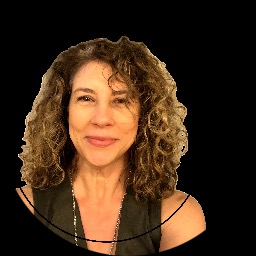
About Linda
She uses evidence-based therapeutic techniques alongside trauma-informed psychodynamic ideas. Sessions focus on practical skills and clearer thinking about difficult emotions. Linda helps clients name patterns, try small changes, and manage overwhelming feelings in day-to-day life.
Her background includes long experience teaching and consulting in clinical settings. That history informs her work with people who are coping after disasters, dealing with obsessive or panic symptoms, or facing mood and personality concerns. She has also worked with clinicians and school staff on self-injury and crisis-related topics.
In sessions she aims to be direct and practical. Conversations often mix short-term skill building with attention to past experiences that shape today’s reactions. Clients who are questioning direction in midlife or wrestling with family-of-origin issues can expect focused, goal-oriented conversations.
Linda offers therapy in English from North Carolina and holds TX LCSW and NC LCSW credentials. International clients are not accepted. Before booking, confirm current session options.
License and NPI on record
- LCSW
- Texas · 36198
- LCSW
- North Carolina · C017626
- NPI
- 1730202797
As listed on the therapist's profile. A license can be checked with the state board, and an NPI with the national NPI registry.
Areas of expertise
Primary focus
Additional focus areas
Experience
23+ years
Credentials
Texas, North Carolina
Languages
English
How therapeutic methods fit into online sessions
Linda uses evidence-based therapeutic techniques alongside trauma-informed psychodynamic ideas. Evidence-based techniques focus on specific, teachable skills to reduce anxiety, manage mood swings, and interrupt compulsive or panic responses. The trauma-informed psychodynamic approach looks at how past relationships and events influence current reactions and helps people make sense of recurring patterns.Choosing the right approach is part of the work. Linda will collaborate with each person to identify which methods feel useful and adjust over time based on needs and goals. That conversation usually includes short-term goals, skill practice, and periodic reviews to check progress.
The original biography does not list session formats, so confirm current online options before booking. Online sessions can make it easier to fit therapy into a busy day, allow shorter check-ins when needed, and reduce travel time. They can also let people connect from different locations while keeping appointments consistent with work and family schedules.
Frequently asked questions
What concerns does she work with?
She works with stress, anxiety, trauma and abuse, bipolar disorder, depression, and coping with life changes, plus related problems like attachment issues, shame, and isolation.
How would she describe her approach?
She combines evidence-based therapeutic techniques with trauma-informed psychodynamic ideas, using skills and reflection to address current problems and patterns from the past.
How much clinical experience does she have?
Linda has 23 years of experience working in clinical and educational settings, including training clinicians and school staff on self-injury and crisis topics.
What credentials and location are listed?
She holds LCSW credentials in Texas and North Carolina (TX LCSW, NC LCSW) and practices from North Carolina.
In what language are sessions offered?
Sessions are offered in English and international clients are not accepted.
Which session formats are available?
The original biography does not specify session formats; please confirm current session options before booking.
How are fees and payment handled?
Cost varies with location; sessions use a subscription that can be canceled at any time.
What are the steps to begin working together?
Select the See online therapy options button, complete a short matching questionnaire, and schedule a first session.
Good to know
Therapists listed here offer talking therapy online. It is not career, financial or medical advice, and no therapist can promise a particular result.
If you are thinking about harming yourself, or you are in danger, contact a crisis line or emergency services. The numbers are at the foot of this page.