- Stress and anxiety
- Grief and loss
- Life purpose questions
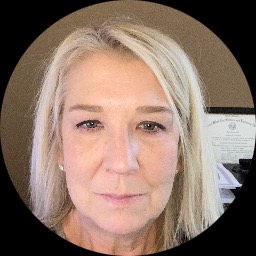
About Maura
Maura aims to keep conversations practical and focused. She listens to what is most troubling and helps people set small, manageable steps forward. Sessions often center on clarifying priorities, improving everyday coping, and addressing unhelpful thinking patterns that increase worry or low mood.
Her approach pulls from client-centered therapy, cognitive behavioral therapy, motivational interviewing, and solution-focused methods. That means she can help someone notice thought patterns, test small changes, and stay motivated to try new behaviors. Meetings can include problem-solving, goal-setting, and revisiting what matters most after a change such as loss or role shifts.
Maura has experience supporting people through end-of-life concerns, forgiveness, guilt, and separation. She also works with issues around money stress, communication difficulties, and isolation. Conversations are practical and paced to the person’s readiness to change.
Her practice supports people coping with chronic conditions, impulsivity, and body image worries. Language offered is English and international clients are not accepted. To begin, clients follow the site's matching process and schedule a first session.
License and NPI on record
- LCSW
- North Carolina · C006428
- NPI
- 1063745826
As listed on the therapist's profile. A license can be checked with the state board, and an NPI with the national NPI registry.
Areas of expertise
Additional focus areas
Therapeutic approaches
Experience
15+ years
Credentials
North Carolina
Languages
English
How therapeutic approaches guide online work
Maura uses client-centered therapy and cognitive behavioral therapy in straightforward ways. Client-centered therapy focuses on listening and reflecting back what matters to the person so they can name priorities and decide next steps. Cognitive behavioral therapy helps identify unhelpful thoughts and try small behavior experiments to test different outcomes.Finding the best mix of methods is part of the work together. Maura will talk with each person about goals and preferences, and together they will decide which approaches to try and when to adjust them. That collaborative planning lets sessions focus on manageable changes and real-life problems.
The practical benefits of online work include fitting sessions into a busy week and reducing travel time. Confirm the current session options before booking so you know how meetings are held. Online sessions can make it easier to check in during a lunch break, have a shorter follow-up conversation, or meet without needing to be in the same town as a licensed professional.
Frequently asked questions
What kinds of concerns does she address?
She works with stress, anxiety, grief, depression, compassion fatigue, and coping with life changes, plus related issues such as caregiver stress and chronic illness.
How does she approach feeling stuck or uncertain?
She uses client-centered conversation alongside CBT and solution-focused techniques to clarify goals, test small changes, and build practical coping strategies.
What is her professional background?
She has 15 years of professional experience working with adults on mood, loss, and life transitions.
What are her credentials and where is she located?
She is a Licensed Clinical Social Worker, LCSW, licensed in North Carolina.
Does she work in languages other than English?
Sessions are offered in English.
Can people from other countries work with her?
International clients are not currently accepted.
How are sessions scheduled and what do they cost?
Cost varies with location and sessions use a subscription that can be canceled at any time.
How do I get started with a first session?
Select the See online therapy options button, complete the short matching questionnaire, and schedule a first session.
Good to know
Therapists listed here offer talking therapy online. It is not career, financial or medical advice, and no therapist can promise a particular result.
If you are thinking about harming yourself, or you are in danger, contact a crisis line or emergency services. The numbers are at the foot of this page.