- Client-Centered Therapy
- Career concerns
- Life transitions
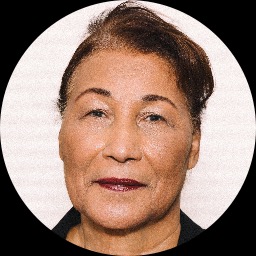
About Patsy
She uses a client-centered approach. That means conversations focus on the client's own priorities and pace. Sessions tend to emphasize listening, reflection, and practical next steps rather than a fixed program.
Patsy often helps people who feel stuck at work or unsure about major life changes. She also supports those dealing with relationship worries, parenting strain, intimacy-related issues, and compassion fatigue. Coaching-style conversations and discussions about communication and forgiveness are part of her stated focus.
Her background includes long experience supporting professionals and people facing transitions. She mentions work with career matters and executive concerns alongside marriage counseling and professional coaching. Those strands shape how she frames practical goals and action steps in sessions.
Patsy conducts sessions in English and does not accept international clients. If someone is thinking about starting, she asks them to use the site process to complete a short matching questionnaire and schedule a first session. Costs vary by location and sessions use a subscription that can be canceled at any time.
License and NPI on record
- LPC
- South Carolina · 2266
- LMHC
- Florida · MH19767
- NPI
- 1710535737
As listed on the therapist's profile. A license can be checked with the state board, and an NPI with the national NPI registry.
Areas of expertise
Primary focus
Also works with
Additional focus areas
Therapeutic approaches
Experience
26+ years
Credentials
South Carolina, Florida
Languages
English
Client-centered approaches and online sessions
Client-Centered Therapy places the client’s concerns at the center of conversation. The therapist listens closely, reflects what she hears, and follows the client’s lead. This approach can help when someone is unsure about career moves, coping with life changes, or working through relationship stress.Finding the right approach is part of the work. Patsy will work together with each person to identify which methods feel most useful based on their goals and preferences. That collaborative decision helps shape whether sessions focus more on coaching-style problem solving or on exploring feelings and values.
Session formats are not specified in the biography, so confirm current options before booking. Online sessions can make it easier to fit therapy into a busy week, allow shorter check-ins, and reduce travel time. Different formats also let people choose quieter surroundings or lower bandwidth options when needed, making it simpler to connect around work or family commitments.
Frequently asked questions
What kinds of concerns does she address?
Patsy lists self esteem, career, coping with life changes, stress, anxiety, relationship and parenting concerns among her focus areas. She also notes grief, intimacy-related matters, and life purpose.
How does she approach someone feeling stuck?
She uses a client-centered approach that centers the conversation on the client's priorities. Sessions emphasize listening, reflection, and practical next steps rather than a fixed program.
How much experience does she have?
Patsy has 26 years of professional experience working with people on career and life transitions and related concerns.
What are her credentials and where does she practice?
She holds LPC and LMHC credentials and practices in South Carolina.
Which languages are supported?
Sessions are offered in English.
Can international clients work with her?
She does not accept international clients.
How are sessions paid for?
Costs vary with location and sessions use a subscription model that can be canceled at any time.
What do I do to begin working with her?
Select the See online therapy options button, complete the short matching questionnaire, and schedule a first session.
Good to know
Therapists listed here offer talking therapy online. It is not career, financial or medical advice, and no therapist can promise a particular result.
If you are thinking about harming yourself, or you are in danger, contact a crisis line or emergency services. The numbers are at the foot of this page.