- Addictions support
- Relationship work
- Attachment focus
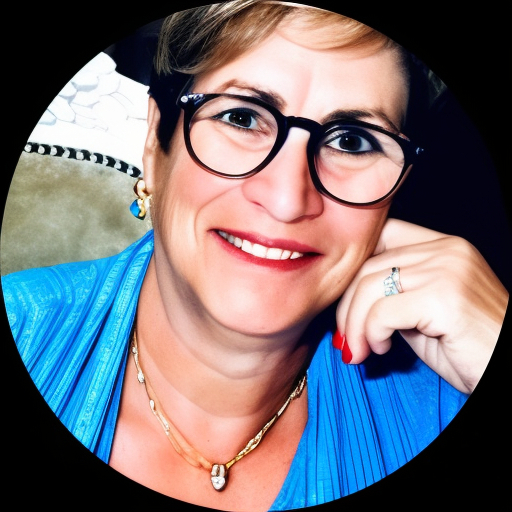
About Paula
Her background includes workplace experience treating people who have struggled with addiction and eating disorders and supporting the family members trying to help them. She is familiar with 12-step philosophy, therapeutic community settings, motivational interviewing, cognitive behavioral methods, and several human-centered approaches. Those experiences shape how she helps people manage both the immediate symptoms and the relational patterns that keep problems recurring.
Paula often sees clients who grew up in families where needs were not met. She helps them talk through how those early experiences show up now. Sessions address anxiety, depression, relationship and parenting difficulties, and issues like guilt, shame, and control that follow from family dynamics.
Her style is interactive and direct. She helps clients set clear goals and nudges them toward practical steps. Paula balances reflection with challenge and offers honest feedback while respecting each person’s pace.
People who want to explore attachment wounds, improve communication, work through codependency or substance-related problems may find this practical approach helpful. She works in English and practices from Florida as an LCSW.
License and NPI on record
- LCSW
- Florida · SW12494
- NPI
- 1811102510
As listed on the therapist's profile. A license can be checked with the state board, and an NPI with the national NPI registry.
Areas of expertise
Primary focus
Also works with
Additional focus areas
Therapeutic approaches
Experience
20+ years
Credentials
Florida
Languages
English
Therapeutic approaches and online sessions
Attachment-based work looks at how early relationships affect current patterns. It helps people understand how they connect, react, and seek safety with partners and family members. Cognitive Behavioral Therapy (CBT) focuses on practical tools to change thinking and behavior patterns that feed anxiety, depression, or unhealthy habits. These approaches are commonly used for relationship struggles, mood symptoms, and coping with life transitions.Finding the right approach is part of the work. The therapist collaborates with each person to match methods to their needs, goals, and preferences. That means checking in about what feels useful and adjusting the plan as progress or new issues emerge.
Confirm current session options before booking so you know which formats are available. Online work can make it easier to fit therapy into a busy week, allow shorter check-ins when time is tight, or remove the need to travel to an office. Licensed professionals can use these sessions to practice skills, review homework, and address relationship or emotional concerns in ways that fit everyday life.
Frequently asked questions
What concerns does she work with?
She works with addictions, eating issues, anxiety, depression, relationship and parenting problems, trauma, and coping with life changes.
How would she describe her therapeutic style?
Her approach is interactive and direct, mixing reflection with challenge while helping clients set and work toward clear goals.
How much clinical experience does she have?
She has 20 years of experience working in settings that included addiction treatment, eating disorder care, and family-focused services.
What credential does she hold and where does she practice?
She is a Licensed Clinical Social Worker (LCSW) practicing in Florida.
Which languages are supported for sessions?
Sessions are offered in English.
Can people from other countries work with her?
She does not accept international clients at this time.
How are sessions paid for and what does it cost?
Cost varies with location; sessions use a subscription that can be canceled at any time.
How do I begin working with her?
Select the See online therapy options button, complete a short matching questionnaire, and schedule a first session.
Good to know
Therapists listed here offer talking therapy online. It is not career, financial or medical advice, and no therapist can promise a particular result.
If you are thinking about harming yourself, or you are in danger, contact a crisis line or emergency services. The numbers are at the foot of this page.