- Stress and anxiety
- Career and purpose
- CBT and DBT tools
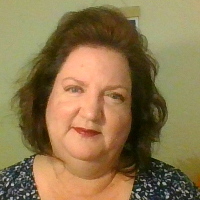
About Rachel
Her approach is grounded in practical talk and skill building. Sessions focus on identifying patterns, learning coping skills, and trying small changes that fit into everyday life. She uses clear, actionable strategies rather than vague explanations.
Rachel draws on attachment-based ideas to look at how early relationships shape current patterns. She uses client-centered methods to keep sessions focused on each person’s priorities. Cognitive Behavioral Therapy and Dialectical Behavior Therapy tools are introduced when helpful to reshape thinking and manage intense emotions.
When grief or loss is present, sessions include steady pacing and concrete steps for managing difficult days. For career or life-purpose questions, conversations explore values, barriers, and practical next steps. For addiction and ADHD concerns, she works on routines, motivation, and coping skills that support daily functioning.
People who choose Rachel get clear explanations of methods and homework they can try between meetings. She asks questions, listens for patterns, and helps set realistic, short-term goals to test out change. To begin, prospective clients follow the site’s matching steps and schedule an initial session.
License and NPI on record
- LMHC
- Florida · MH18535
- NPI
- 1447749445
As listed on the therapist's profile. A license can be checked with the state board, and an NPI with the national NPI registry.
Areas of expertise
Primary focus
Also works with
Additional focus areas
Therapeutic approaches
Experience
20+ years
Credentials
Florida
Languages
English
How her approaches translate to online sessions
Rachel uses Attachment-Based Therapy to look at how early relationships affect current patterns and trust. This approach helps when relationship problems, abandonment fears, or attachment issues are part of what feels stuck. Client-Centered Therapy keeps sessions focused on the person's immediate concerns and priorities, letting the therapist follow the client's lead to find what matters most.Finding the right approach is part of the work. Rachel will discuss your goals and preferences and decide together which tools to try. That may include cognitive-behavioral techniques for changing thought patterns or DBT skills for handling intense emotions. The plan can shift as progress is reviewed and needs change.
Confirm current session options before booking since formats were not specified in the biography. Online sessions can make it easier to fit therapy into a busy day, shorten travel time, and allow shorter check-ins when a quick reset is needed. Licensed professionals can adapt exercises and between-session tasks to an online setting so clients can practice new skills in their real routines.
Frequently asked questions
What concerns does she address?
She works with stress, anxiety, depression, relationship and grief issues, as well as life changes, addictions, ADHD, and career questions.
How does she approach feeling stuck?
Her style is practical and collaborative. She identifies patterns, teaches coping skills, and sets short-term goals to test small changes.
How much experience does she have?
Rachel has 20 years of clinical experience working with adults on a wide range of concerns.
What are her credentials and where is she based?
She is a Florida LMHC, practicing in Florida as a Licensed Mental Health Counselor.
Which languages are offered for sessions?
Sessions are offered in English.
Can people outside the US work with her?
She is not currently accepting international clients.
How are sessions paid for?
Cost varies with location; sessions use a subscription that can be canceled at any time.
How do I begin a first session?
Select the See online therapy options button, complete the short matching questionnaire, and schedule a first session.
Good to know
Therapists listed here offer talking therapy online. It is not career, financial or medical advice, and no therapist can promise a particular result.
If you are thinking about harming yourself, or you are in danger, contact a crisis line or emergency services. The numbers are at the foot of this page.