- Family conflict
- Anxiety and depression
- Life purpose focus
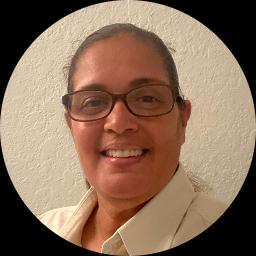
About Rebecca
She helps people who are worrying about relationship strain, family of origin issues, adoption and foster care concerns, and attachment difficulties. She also supports those coping with chronic illness or pain, immigration-related stress, isolation, and questions about life purpose. Her practice includes attention to multicultural concerns and mood disorders.
In sessions she uses evidence-based therapeutic techniques and adapts conversation and planning to each person. Meetings focus on identifying stress points, improving communication patterns, and developing practical coping steps. She aims for clear goals and manageable actions rather than abstract promises.
Rebecca frames change as a process that unfolds over time. She listens for the patterns that keep people stuck and introduces approaches to shift those patterns. Work can include talking through past hurt, practicing new ways to respond, and building routines that reduce anxiety and depression.
People who come when stuck between stages of life often find the structure helpful. She asks about a client’s priorities and daily life, then aligns session work to what is realistic. To begin, prospective clients use the site’s online matching and scheduling flow to set a first appointment.
License and NPI on record
- LMHC
- Florida · MH11973
- NPI
- 1679158810
As listed on the therapist's profile. A license can be checked with the state board, and an NPI with the national NPI registry.
Areas of expertise
Primary focus
Additional focus areas
Experience
17+ years
Credentials
Florida
Languages
English, Spanish
How evidence-based work looks online
Rebecca uses evidence-based therapeutic techniques to guide sessions in clear, practical ways. Cognitive-based methods focus on spotting unhelpful thoughts and testing them with real-life experiments to reduce anxiety and improve mood. Behavioral approaches concentrate on changing routines and habits, such as sleep, activity levels, or communication practices, to lower stress and lift depression.Finding the right approach is part of the work together. She will review a client’s goals, daily life, and preferences and then try methods that best match those needs. Clients and therapist collaborate on which techniques to keep, adjust, or pause as progress or challenges appear.
Session format details are not specified here, so confirm current options before booking. Online work can make it easier to fit sessions into a busy week, shorten check-ins when needed, and reduce travel time. It also allows people to continue regular sessions after a life change or during periods when getting to an office is difficult.
Frequently asked questions
What concerns does she commonly address?
She works with stress, anxiety, family conflict, trauma and abuse, depression, and coping with life changes. Additional areas include abandonment, adoption and foster care, attachment issues, and life purpose.
How would she describe her approach for someone feeling stuck?
She uses evidence-based therapeutic techniques and practical conversation to identify patterns that keep people stuck. Sessions focus on small, actionable steps and clearer daily routines.
How much experience does she have?
She has 17 years of professional work experience as a mental health counselor.
What credential and location should I know about?
She holds an LMHC credential and practices in Florida.
Which languages are supported?
Sessions are offered in English and Spanish.
Can international clients work with her?
She is not currently accepting international clients.
How does cost work for sessions?
Cost varies with location and sessions use a subscription model that can be canceled at any time.
What are the first steps to begin?
Select the See online therapy options button, complete the short matching questionnaire, and schedule a first session.
Good to know
Therapists listed here offer talking therapy online. It is not career, financial or medical advice, and no therapist can promise a particular result.
If you are thinking about harming yourself, or you are in danger, contact a crisis line or emergency services. The numbers are at the foot of this page.