- Attachment focus
- CBT techniques
- Mindfulness practice
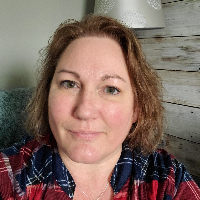
About Amy
Amy keeps sessions practical and straightforward. She listens to what is most pressing and helps clients set clear goals. Her approach draws on attachment-based ideas, client-centered talk, cognitive behavioral techniques, dialectical behavior tools, and mindfulness skills.
She has a Master’s in Counseling and Human Resource Development from South Dakota State University, earned in 2007, and has worked across many settings since then. Amy has experience with mood disorders, panic attacks, personality and trauma-related issues, and compassion fatigue.
In therapy she focuses on the person in front of her. That means talking through current struggles, identifying patterns tied to family of origin or attachment, and practicing skills to manage intense feelings. She uses cognitive-behavioral methods to test unhelpful thoughts and DBT strategies to stabilize strong emotions.
Amy commonly supports people aged 15 and up, though she has experience with other ages as well. Sessions aim to be clear and usable, with tools and steps people can try between meetings to see what fits their life.
License and NPI on record
- LPC-MH
- South Dakota · 2277
- LMHC
- Washington · LH 61537122
- NPI
- 1093221335
As listed on the therapist's profile. A license can be checked with the state board, and an NPI with the national NPI registry.
Areas of expertise
Primary focus
Also works with
Additional focus areas
Therapeutic approaches
Experience
15+ years
Credentials
South Dakota, Washington
Languages
English
How her approaches translate to online sessions
Amy uses attachment-based ideas to look at patterns that formed in earlier relationships and how they show up now. This can help clients who feel empty, struggle with abandonment, or repeat unhelpful relationship habits. Client-centered work means sessions focus on what the person says matters most; the therapist listens and follows the client’s lead to build trust and clarify goals.Cognitive Behavioral Therapy (CBT) is used to notice and test thinking patterns and try small behavior changes. CBT can be useful for anxiety, panic, and mood symptoms because it gives concrete steps to practice between meetings. Finding the right approach is part of the work together. Amy will talk with each person about their goals, needs, and preferences and then choose techniques that fit.
The biography indicates she has offered video, live chat, and phone sessions, but clients should confirm which formats are currently available before booking. Online sessions can make it easier to fit therapy into a busy schedule, allow shorter check-ins when needed, and let people choose whether to be on camera. Therapists and licensed professionals can adjust pace and homework to suit life demands, helping ideas from sessions land in day-to-day routines.
Frequently asked questions
What kinds of problems does she help with?
Amy works with stress, anxiety, depression, trauma, grief, relationship and parenting concerns, and mood disorders among other issues.
How does she approach feeling stuck or unsure?
The approach is practical and person-focused, using attachment ideas, client-centered conversation, CBT and DBT tools, plus mindfulness exercises to build clearer steps forward.
How long has she been practicing?
She has about 15 years of experience since completing a master’s degree in Counseling and Human Resource Development in 2007.
What are her credentials and where is she based?
She is an LPC-MH in South Dakota and an LMHC. Her practice is located in South Dakota.
Can I meet with her in a language other than English?
Sessions are offered in English.
Does she work with people outside the United States?
International clients are not currently accepted.
What session formats does she offer?
The original biography notes video, live chat, and phone sessions as formats she has offered; confirm current session options before booking.
How are payments and getting started handled?
Cost varies with location and sessions use a subscription that can be canceled at any time. To begin, select the See online therapy options button, complete the short matching questionnaire, and schedule a first session.
Good to know
Therapists listed here offer talking therapy online. It is not career, financial or medical advice, and no therapist can promise a particular result.
If you are thinking about harming yourself, or you are in danger, contact a crisis line or emergency services. The numbers are at the foot of this page.