- Relationship struggles
- Trauma and grief
- CBT and client-centered
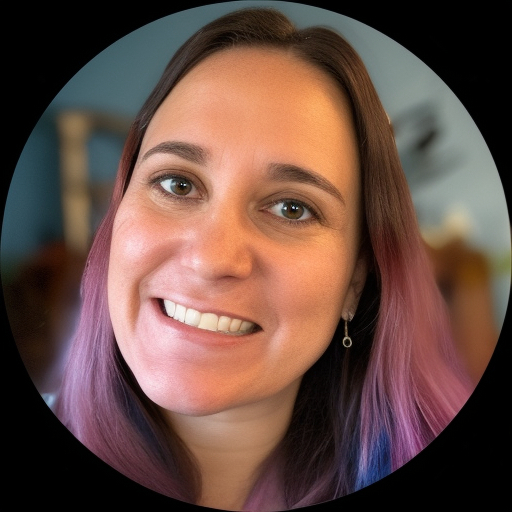
About Bethany
Her approach blends client-centered work with structured techniques. She uses Cognitive Behavioral Therapy to identify unhelpful thoughts and patterns. She also draws on Motivational Interviewing to clarify goals and Psychodynamic ideas to look at patterns that repeat over time.
In sessions she listens for practical steps clients can try between meetings. Conversations focus on what feels most immediate and manageable. She looks at coping strategies for caregiving stress, blended family dynamics, adoption and foster care concerns, and challenges around aging or end-of-life care.
Bethany brings experience addressing dissociation, infidelity, divorce and separation, and family of origin issues. She works with people coping with natural or human-caused disasters and with those facing guilt, shame, or forgiveness questions. Her background includes supporting hospice and bereavement needs.
Sessions mix reflection and action. Bethany helps people name patterns, try small changes, and revisit what works. Prospective clients should confirm current session formats before booking to make sure they fit their needs.
License and NPI on record
- LCSW
- North Carolina · C007285
- NPI
- 1003169202
As listed on the therapist's profile. A license can be checked with the state board, and an NPI with the national NPI registry.
Areas of expertise
Primary focus
Also works with
Additional focus areas
Therapeutic approaches
Experience
20+ years
Credentials
North Carolina
Languages
English
How Bethany’s approaches translate to online work
Client-Centered Therapy focuses on attentive listening and helping people set their own goals. In practice this means sessions start by identifying what matters most to the client and shaping the conversation around that. Cognitive Behavioral Therapy, or CBT, breaks down thoughts, feelings, and behaviors into clear links and offers practical exercises to test new approaches. That style is often useful for anxiety, low mood, and changing unhelpful habits.Finding the right approach is part of the process. The therapist will work with the client to decide which methods fit best based on goals, preferences, and how the person responds. That collaborative stance means strategies can be adjusted over time rather than fixed from the start.
Session formats are not specified in the biography, so confirm current options before booking. Online work can make it easier to fit appointments into busy days, reduce travel, and allow shorter check-ins when schedules are tight. It can also let people choose sessions that do or do not use video depending on bandwidth or comfort. Ask about available formats when you complete the short matching questionnaire prior to your first appointment.
Frequently asked questions
What concerns does she focus on?
She focuses on relationship issues, trauma and abuse, grief, parenting, coping with life changes, stress, anxiety, depression, and related family and intimacy concerns.
How would she approach feeling stuck or directionless?
She combines client-centered listening with practical techniques from CBT and Motivational Interviewing to clarify goals and try manageable steps between sessions.
What is her professional background?
She has 20 years of counseling experience and practices as an LCSW licensed in North Carolina.
Where is she licensed and based?
She is licensed as an LCSW in North Carolina and practices from that state.
Can sessions be conducted in other languages?
Sessions are offered in English.
Does she work with clients outside the United States?
International clients are not currently accepted.
How much do sessions cost?
Cost varies with location; sessions use a subscription that can be canceled at any time.
How do I begin working with her?
Select the See online therapy options button, complete a short matching questionnaire, and schedule a first session.
Good to know
Therapists listed here offer talking therapy online. It is not career, financial or medical advice, and no therapist can promise a particular result.
If you are thinking about harming yourself, or you are in danger, contact a crisis line or emergency services. The numbers are at the foot of this page.