- Stress and anxiety
- Cognitive behavioral tools
- Attachment focus
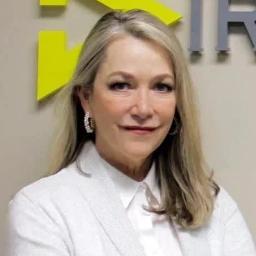
About Diane
Her approach mixes practical cognitive behavioral tools with attachment-based thinking and client-centered conversation. Sessions are interactive and focused on skills people can use between meetings. Diane uses mindfulness and motivational interviewing techniques to help clients notice patterns and consider new responses.
She often helps people untangle how past experiences affect current relationships and choices. That can look like talking through family of origin issues, practicing new ways to communicate, or building coping skills for overwhelming emotions. Diane also supports work on body image, codependency, commitment and control issues.
Diane frames work around clear goals and problem solving. She collaborates with each person to set manageable steps, try different strategies, and track what changes. For someone feeling stuck after a life change, she focuses on concrete moves that can restore direction and improve day-to-day functioning.
People who want to begin fill out a short matching questionnaire and schedule a first session. Sessions are offered in English and follow the LMHC scope of practice in Washington.
License and NPI on record
- LMHC
- Washington · LH61026176
- NPI
- 1952972671
As listed on the therapist's profile. A license can be checked with the state board, and an NPI with the national NPI registry.
Areas of expertise
Primary focus
Also works with
Additional focus areas
Therapeutic approaches
Experience
12+ years
Credentials
Washington
Languages
English
How Diane's approaches translate to online sessions
Attachment-Based Therapy emphasizes the ways early relationships shape current bonds. In sessions this means looking at how patterns from childhood show up now and practicing new ways of connecting and communicating. Cognitive Behavioral Therapy (CBT) focuses on identifying thinking and behavior patterns that keep problems going and testing small experiments to change them. Client-Centered Therapy centers on the person's own goals and perspectives, with the therapist following the client's lead to clarify values and next steps.Diane treats finding the right approach as a collaborative process. She will talk with each person about goals, test different techniques, and agree on what to keep or change. That means the method can shift as needs and preferences become clearer.
The biography does not specify which online session formats are used, so confirm current session options before booking. In general, online sessions can make it easier to fit therapy into a busy schedule, offer shorter check-ins when needed, and reduce travel time. They also allow work on communication skills and behavioral experiments that transfer to everyday life. Diane combines her chosen approaches with practical at-home exercises that fit each person's routine.
Frequently asked questions
What concerns does Diane address?
She works with stress, anxiety, depression, trauma and abuse, self-esteem, relationship and family problems, career uncertainty, and compassion fatigue.
How would she describe her therapeutic style?
Diane uses an interactive, client-centered approach combined with cognitive behavioral and attachment-based ideas to develop practical skills and new ways of relating.
How much experience does she have?
She has 12 years of experience providing counseling and psychotherapy services.
What are her credentials and where is she based?
She is an LMHC licensed in Washington and practices under that credential within the state.
Which languages are supported for sessions?
Sessions are offered in English.
Can international clients work with her?
International clients are not currently accepted.
How does payment and cost work?
Cost varies with location; sessions use a subscription that can be canceled at any time.
How do I get started with Diane?
Select the See online therapy options button, complete a short matching questionnaire, and schedule a first session.
Good to know
Therapists listed here offer talking therapy online. It is not career, financial or medical advice, and no therapist can promise a particular result.
If you are thinking about harming yourself, or you are in danger, contact a crisis line or emergency services. The numbers are at the foot of this page.