- CBT methods
- Solution-focused work
- Life change coping
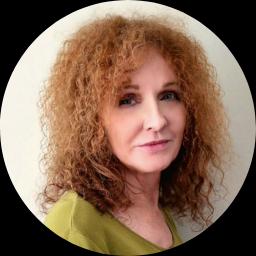
About Dolliene
Clients can expect straightforward conversations focused on what’s going on now. She uses approaches such as Cognitive Behavioral Therapy and Solution-Focused Therapy to identify patterns and test small changes. Sessions often focus on building skills for managing anxiety, improving communication, and handling transitions like separation or caregiving demands.
Dolliene aims to help people notice their own strengths and use them to move forward. She listens for what already works in a person’s life and looks for small, doable steps to make things feel less overwhelming. Topics she commonly addresses include sleep problems, intimacy-related concerns, body image, chronic illness stress, and complex family or blended family dynamics.
Her style is practical and goal-oriented. She helps people set clear, short-term goals and checks progress along the way. For those wrestling with emptiness, commitment doubts, or recovery from infidelity, sessions are focused on realistic strategies rather than promises of quick fixes.
To begin, prospective clients complete a short matching questionnaire and schedule an initial session. Session plans and pacing are set together based on the person’s needs and priorities.
License and NPI on record
- LCSW
- Missouri · 005081
- NPI
- 1972872935
As listed on the therapist's profile. A license can be checked with the state board, and an NPI with the national NPI registry.
Areas of expertise
Primary focus
Also works with
Additional focus areas
Therapeutic approaches
Experience
20+ years
Credentials
Missouri
Languages
English
How her approaches translate to online sessions
Dolliene commonly uses Cognitive Behavioral Therapy and Solution-Focused Therapy in her work. CBT focuses on identifying thought and behavior patterns that keep problems going and testing small changes to reduce anxiety, improve sleep, or change unhelpful reactions. Solution-Focused Therapy concentrates on goals and strengths, helping people spot exceptions to their problems and build on what already works.Choosing the right approach is treated as a collaborative process. She discusses goals and preferences with each person and adjusts methods based on what helps most. The first few sessions are often used to clarify priorities and try different strategies to see what fits.
Practical benefits of online work include being able to fit sessions into a busy week and keeping progress steady during life transitions. Session logistics such as whether meetings are via video or phone are not detailed here, so confirm available formats before booking. Many people find remote sessions make it easier to continue care during job or family changes and to apply new skills between meetings.
Frequently asked questions
What concerns does she help with?
She helps with stress, anxiety, relationship difficulties, self-esteem, depression, grief, trauma, and coping with life changes.
How would she approach feeling stuck or unmotivated?
She uses practical approaches like Cognitive Behavioral Therapy and Solution-Focused Therapy to identify patterns and try small, actionable changes.
How much clinical experience does she have?
She has 20 years of professional work experience in social work and clinical practice.
What is her credential and where does she practice?
She is a Licensed Clinical Social Worker (LCSW) licensed in Missouri.
Which languages are sessions offered in?
Sessions are offered in English.
Can people outside the US work with her?
International clients are not currently accepted.
What formats are used for sessions?
Session formats are not specified here; please confirm current session options before booking.
How do I begin a first session?
Select the See online therapy options button, complete a short matching questionnaire, and schedule your first session.
Good to know
Therapists listed here offer talking therapy online. It is not career, financial or medical advice, and no therapist can promise a particular result.
If you are thinking about harming yourself, or you are in danger, contact a crisis line or emergency services. The numbers are at the foot of this page.