- Stress and anxiety
- Trauma and abuse
- Self-esteem work
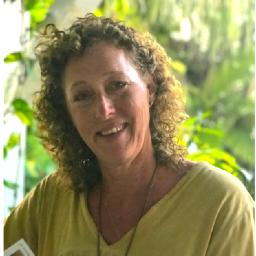
About Emma
Emma helps people who are feeling stuck, anxious, low or unsure what comes next in their life. She sees concerns such as stress, anxiety, trauma and abuse, low self-esteem, relationship and intimacy-related issues, grief, and coping with life changes. Eating and sleeping difficulties, parenting strain, bipolar and depression are also among the matters she addresses.
Her work is practical and conversational. She listens to what matters most and then agrees steps to try. Those steps can include looking at patterns of thinking, noticing how relationships affect moods, and building small routines to reduce overwhelm. She explains techniques plainly and checks that they feel useful.
Emma’s earlier NHS experience informs how she approaches assessments and planning. Her part-time charity work keeps her grounded in supporting people affected by abuse. She aims to be clear about what each session will involve and to review progress as therapy continues.
If you are unsure whether to begin, she asks a few simple questions first and then suggests a first session plan. Booking starts with a short matching questionnaire and scheduling your initial appointment.
Registration on record
- BACP
- United Kingdom · 267238
As listed on the therapist's profile. Membership can be checked with the professional body named.
Areas of expertise
Primary focus
Also works with
Additional focus areas
Experience
6+ years
Credentials
BACP · United Kingdom
Languages
English
Therapeutic approaches and how online sessions fit
Emma uses evidence-based therapeutic techniques that focus on practical change. One common approach looks at unhelpful thinking patterns and how they shape emotion and behaviour; this helps when stress, anxiety or low mood are getting in the way. Another approach concentrates on how past experiences, including trauma and attachment patterns, influence current relationships and intimacy; this helps people who struggle with trust, abandonment fears or repeating difficult dynamics.Finding the right method is part of the work. The therapist discusses goals and tries methods collaboratively, checking what feels useful and adjusting the plan as therapy unfolds. Clients are invited to give feedback so sessions reflect their needs and preferences.
Session formats are not specified in the biography, so confirm current options before booking. Many people find online sessions help fit counselling into a busy week, reduce travel time, and make shorter check-ins easier to manage during a workday. If you want to explore how therapy could fit into everyday life, mention your schedule when you complete the matching questionnaire and the therapist can suggest practical arrangements.
Frequently asked questions
What kinds of problems does she help with?
She works with stress, anxiety, trauma and abuse, low self-esteem, relationship and intimacy-related issues, grief, eating and sleeping problems, bipolar and depression, and coping with life changes.
How does she approach feeling stuck?
Her style is practical and conversational. She listens, identifies patterns, and suggests small, manageable steps to test between sessions.
What experience does she bring?
She has six years of professional counselling experience and used counselling skills earlier while working as a Speech and Language Therapist in the NHS.
What are her credentials and where is she based?
She is BACP registered and practises in the United Kingdom.
Which languages does she offer sessions in?
Sessions are offered in English.
Can international clients work with her?
She does not accept international clients at this time.
How are sessions paid for and what do they cost?
Cost varies with location; sessions use a subscription model that can be cancelled at any time.
How do I begin if I want to try sessions?
Select the See online therapy options button, complete a short matching questionnaire, and schedule a first session.
Good to know
Therapists listed here offer talking therapy online. It is not career, financial or medical advice, and no therapist can promise a particular result.
If you are thinking about harming yourself, or you are in danger, contact a crisis line or emergency services. The numbers are at the foot of this page.