- Trauma and abuse
- Grief and loss
- Parenting support
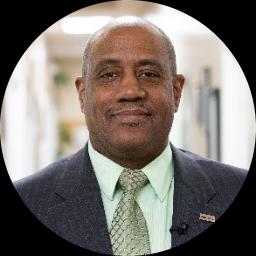
About Gary
He talks through what matters now and what feels stuck. Sessions focus on clear, practical conversation about feelings, patterns, and everyday choices. He listens for what keeps problems repeating and helps people try different ways of responding.
Gary brings long experience in family- and relationship-related concerns, including blended family issues, communication problems, divorce and separation, and fatherhood matters. He also works with people facing codependency, infidelity, domestic violence history, and first responder stress. Other areas he supports include bipolar disorder, HIV/AIDS related issues, and compassion fatigue.
Language of sessions is English. He is licensed as a Pennsylvania LCSW and a Nevada LCSW. Costs vary with location and sessions use a subscription that can be canceled at any time. International clients are not currently accepted.
To begin, users select the See online therapy options button, complete a short matching questionnaire, and schedule an initial session. Confirm current session formats before booking so arrangements match what the client needs.
License and NPI on record
- LCSW
- Pennsylvania · CW012414
- LCSW
- Nevada · 11961-C
- NPI
- 1073522710
As listed on the therapist's profile. A license can be checked with the state board, and an NPI with the national NPI registry.
Areas of expertise
Primary focus
Also works with
Additional focus areas
Experience
36+ years
Credentials
Pennsylvania, Nevada
Languages
English
How evidence-based methods translate to remote sessions
Gary uses evidence-based therapeutic techniques to guide conversations and problem solving. One common approach focuses on identifying unhelpful thought and behavior patterns and testing small changes to see what works in daily life. This approach helps with anxiety, depression, and recurrent stress by giving concrete steps to try between sessions.Another approach concentrates on processing experiences of trauma and abuse through careful, paced conversation. This method helps people reduce the ways traumatic events continue to affect relationships, mood, and coping. It is often paired with practical tools for managing strong emotions and reactions.
Choosing the right approach is part of the work together. The therapist and client will talk through goals, preferences, and what feels manageable. They will adapt methods over time so the sessions fit the person's needs rather than forcing a single technique.
Session formats are not specified in the biography, so please confirm current options before booking. Online sessions can make it easier to fit therapy into a busy week, shorten travel time, and allow for quicker check-ins when needed. Many people find that remote sessions help them keep continuity of care during life changes and make scheduling more flexible.
Frequently asked questions
What kinds of problems does he help with?
He works with stress, anxiety, depression, relationships, trauma and abuse, addictions, grief, intimacy issues, parenting concerns, and career questions.
How would he approach someone feeling stuck?
He focuses on practical conversation about patterns and choices. Sessions look at what repeats and test different ways of responding.
How much clinical experience does he have?
He has 36 years of professional experience in social work and clinical practice.
What are his credentials and where is he based?
He is a Licensed Clinical Social Worker (LCSW) licensed in Pennsylvania and Nevada and is based in Pennsylvania.
Which languages are supported?
Sessions are offered in English.
Can people outside the US work with him?
International clients are not currently accepted.
How is cost handled?
Cost varies with location and sessions use a subscription that can be canceled at any time.
How do I begin working with him?
Click the See online therapy options button, complete the short matching questionnaire, and schedule a first session.
Good to know
Therapists listed here offer talking therapy online. It is not career, financial or medical advice, and no therapist can promise a particular result.
If you are thinking about harming yourself, or you are in danger, contact a crisis line or emergency services. The numbers are at the foot of this page.