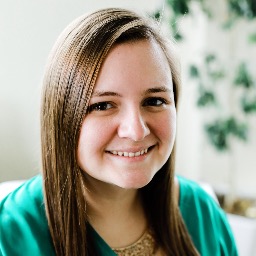
- Stress and anxiety
- Addiction issues
- Trauma support
About Kara
License and NPI on record
- LCSW
- Tennessee · 8000
- NPI
- 1245897750
As listed on the therapist's profile. A license can be checked with the state board, and an NPI with the national NPI registry.
Areas of expertise
Primary focus
Also works with
Additional focus areas
Therapeutic approaches
Experience
8+ years
Credentials
Tennessee
Languages
English
How Kara’s approaches translate to online work
Client-centered therapy focuses on the person’s goals and experience and helps guide the direction of sessions. It is about listening, reflecting, and shaping practical next steps to address what feels most urgent. Cognitive behavioral therapy (CBT) looks at thoughts and behaviors and teaches concrete strategies to reduce anxiety, manage mood, and change unhelpful patterns. Dialectical behavior therapy (DBT) offers skills for regulating emotion, tolerating distress, and improving communication with others. Both approaches emphasize skill practice between sessions and can fit well into weekly online meetings. Choosing the best approach is part of the work. The therapist will collaborate with each person to decide which methods and exercises fit their needs and goals. That decision can shift over time as priorities change and progress is made. Confirm the exact session formats before booking. The practical benefits of online therapy include fitting sessions into a busy week, avoiding travel time, and making it easier to keep regular appointments. Some formats use less bandwidth or can be shorter check-ins when needed, which helps people maintain momentum without disrupting daily routines.Frequently asked questions
What kinds of concerns does she address?
She works with stress, anxiety, addictions, trauma and abuse, self-esteem, depression, relationship and family issues, and life purpose concerns.
How would she describe her therapeutic style?
Her style is client-centered and practical, blending elements from EMDR, CBT, DBT, and motivational interviewing to meet individual needs.
How much clinical experience does she have?
She has eight years of experience working with people facing substance use, trauma, mood concerns, and transitions.
What are her credentials and where is she based?
She is a Licensed Clinical Social Worker, LCSW, licensed in Tennessee and practices there.
Does she work in languages other than English?
Sessions are offered in English.
Are international clients accepted?
International clients are not currently accepted.
How are sessions scheduled and paid for?
Session cost varies with location and services are provided through a subscription that can be canceled at any time.
How do I begin working with her?
Select the See online therapy options button, complete the short matching questionnaire, and schedule a first session.
Good to know
Therapists listed here offer talking therapy online. It is not career, financial or medical advice, and no therapist can promise a particular result.
If you are thinking about harming yourself, or you are in danger, contact a crisis line or emergency services. The numbers are at the foot of this page.