
Carissa Alt-Frankard
LPCWisconsin · 11 yrs exp
Licensed counselor - Life purpose and relationships
Stress, Anxiety · Relationship · Family · Self esteem · +6 more
Read profileTherapist directory · United States, United Kingdom and Australia
Need help now?Therapist listings are provided by BetterHelp. We will earn a commission at no extra cost to you if you use our links to buy.
This page groups therapists who list life purpose among their focus areas under the listed location Wisconsin so you can compare profiles. Use the profiles to review focus areas, approaches, credentials, languages and experience, and to decide which professionals you want to contact.
Before you start a conversation, check each individual profile and confirm permission to work together where they live.
Wisconsin · 11 yrs exp
Licensed counselor - Life purpose and relationships
Stress, Anxiety · Relationship · Family · Self esteem · +6 more
Read profile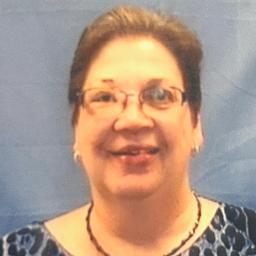
Wisconsin · 30 yrs exp
Licensed clinical social worker - Life purpose and relationships
Stress, Anxiety · Relationship · Grief · Depression
Read profile
Wisconsin · 9 yrs exp
Licensed counselor - life purpose and anxiety
Stress, Anxiety · Addictions · Parenting · Self esteem · +5 more
Read profile
Wisconsin · 10 yrs exp
Licensed Professional Counselor - Stress and Life Changes
Stress, Anxiety · Relationship · Trauma and abuse · Self esteem · +1 more
Read profile
Wisconsin · 7 yrs exp
Licensed Professional Counselor - Life purpose and anxiety
Stress, Anxiety · Relationship · Trauma and abuse · Self esteem · +1 more
Read profile
Wisconsin · 3 yrs exp
Licensed counselor - Life purpose and relationships
Stress, Anxiety · Relationship · Family · Self esteem · +1 more
Read profile
Wisconsin · 3 yrs exp
Licensed Clinical Social Worker - Life purpose and adjustment
Stress, Anxiety · Relationship · Career · Depression · +1 more
Read profile
Wisconsin · 5 yrs exp
LCSW - Stress and Relationship Support
Stress, Anxiety · Relationship · Trauma and abuse · Grief · +1 more
Read profile
Wisconsin · 30 yrs exp
Licensed Clinical Psychologist - Trauma and Parenting
Trauma and abuse · Parenting · Depression · Coping with life changes · +1 more
Read profile
Wisconsin · 16 yrs exp
Licensed Professional Counselor - Life purpose and stress
Stress, Anxiety · Addictions · Trauma and abuse · Depression · +1 more
Read profile
Wisconsin · 10 yrs exp
Licensed Professional Counselor - Life purpose and transitions
Stress, Anxiety · Trauma and abuse · Depression · Coping with life changes
Read profile
Wisconsin · 15 yrs exp
LPC and LPCC - Life purpose and trauma support
Stress, Anxiety · Trauma and abuse · Self esteem · Coping with life changes · +4 more
Read profile
Wisconsin · 35 yrs exp
LCSW - Stress and life transitions
Stress, Anxiety · Addictions · Relationship · Family · +11 more
Read profile
Wisconsin · 8 yrs exp
Licensed Clinical Social Worker - Life purpose and mood concerns
Stress, Anxiety · Depression · Coping with life changes · Relationship · +7 more
Read profile
Wisconsin · 27 yrs exp
LCPC counselor - Stress and life purpose
Stress, Anxiety · Relationship · Trauma and abuse · Self esteem · +1 more
Read profile
Wisconsin · 3 yrs exp
LPC in Wisconsin - Life purpose and relationships
Career · Stress, Anxiety · Relationship · Trauma and abuse · +6 more
Read profile
Wisconsin · 30 yrs exp
Licensed Professional Counselor - Life purpose and grief
Stress, Anxiety · Relationship · Family · Trauma and abuse · +9 more
Read profile
Wisconsin · 20 yrs exp
Licensed counselor - Life purpose and mood concerns
Stress, Anxiety · Self esteem · Career · Depression · +2 more
Read profile
Wisconsin · 10 yrs exp
Licensed Clinical Social Worker - Life purpose and mood concerns
Stress, Anxiety · Relationship · Self esteem · Depression · +1 more
Read profile
Wisconsin · 11 yrs exp
LMFT - Relationships and Life Changes
Relationship · Grief · Parenting · Self esteem · +9 more
Read profile
Wisconsin · 6 yrs exp
Licensed Professional Counselor - life purpose and relationships
Stress, Anxiety · Relationship · Trauma and abuse · Grief · +8 more
Read profile
Wisconsin · 10 yrs exp
Licensed Clinical Social Worker - Life purpose and coping
Stress, Anxiety · Relationship · Family · Grief · +11 more
Read profile
Wisconsin · 40 yrs exp
Licensed Professional Counselor - relationships and life changes
Stress, Anxiety · Relationship · Parenting · Depression · +2 more
Read profile
Wisconsin · 12 yrs exp
LCSW - Relationships and Life Purpose
Relationship · Trauma and abuse · Grief · Coping with life changes · +10 more
Read profileFeeling directionless often follows big changes - a job loss, a relationship shift, a health concern or a new life stage. You may be wrestling with values that no longer fit, decisions that feel exaggerated in consequence, low motivation, or the pressure to pretend you should already have everything figured out. In those moments, you are likely looking for a space to test ideas, name the tradeoffs that matter, and explore what you care about without being judged. Therapy can provide that kind of exploration, but it is not a guarantee of clarity or fulfillment. When you read profiles, look for language that describes how a clinician works with questions about meaning, values, career and transitions. Pay attention to whether profiles mention experience with the kinds of life changes you face. Consider also how the clinician describes their conversational style - whether they invite practical planning, reflective inquiry, or a mix of both. If low mood includes thoughts of self-harm or immediate danger, call local emergency services or your country’s crisis line right away. It is important that your immediate safety is addressed before you focus on longer term direction and meaning.
The listed location groups profiles by Wisconsin for browsing, but it is not evidence of an office, an active license, or physical proximity to you. Profiles vary in how they present credentials. Some professionals in the United States will list state licenses; in the UK and Australia professionals may describe registration, membership in professional bodies, or other pathways to practice. Degrees such as PhD, PsyD, MD, MA or MSW describe academic qualifications and are not the same as a current license or registration. A degree alone does not establish permission to practice where you live. When you compare profiles, look for clear statements about the clinician’s professional status and the jurisdictions in which they say they may work. If you plan to work online from Wisconsin with someone based elsewhere, ask the clinician to confirm that they have permission to work with you in your state or country. That confirmation is an important practical step that belongs on your checklist before you begin.
When you reach out or review a profile, prepare specific questions that will help you evaluate fit. You might ask how the clinician typically approaches questions of life purpose and decision making, and how they balance exploring values with testing practical options. Ask about their experience working with people after job transitions, retirement, chronic illness, or relationship changes if those match your situation. Phrase questions to reflect the profile language - for example, ask about what they mean when they list narrative, cognitive behavioral, psychodynamic, acceptance and commitment, or other approaches by saying therapists who list those approaches among their methods may work in different ways. Request examples of how they structure conversations around values or motivation and how they support decision-making. If cultural identity, language or faith are important in your search, ask about experience in those areas and whether they work with interpreters or bilingual treatment. Also ask about how they address periods of low mood or crisis, and what plan they follow if you need urgent help between conversations. Those concrete questions will help you compare professionals beyond the surface terminology used in profiles.
If you are considering online conversations, there are practical matters to sort out ahead of time so the first sessions can focus on your concerns. Confirm where you will be located during sessions and ask the clinician to confirm permission to work with someone in that location. Discuss time zones, how you will use video or phone, and what kind of technical backup plan you will follow if a connection fails. Clarify boundaries about messages between sessions, typical response expectations, and whether sessions are recorded or summarized in writing. It is appropriate to discuss how the clinician approaches notes and information sharing, and whether they will involve other professionals such as medical providers when appropriate. Talk about planning for crisis situations - who you should contact locally if you are in immediate danger, and what steps the clinician will take if they are concerned for your safety. These practical conversations help set expectations and make it clearer how a clinician handles real-world issues that can affect the work.
Profiles vary in how much detail they provide. Some emphasize particular focus areas in plain language - life purpose, career transitions, grief, midlife shifts, or coping with chronic illness. Others emphasize approaches and use clinical terms. To compare effectively, read profiles as narrative descriptions of practice rather than definitive claims about outcomes. Note which profiles explicitly mention work with life transitions similar to yours and which clinicians list languages you speak. Distinguish degrees from permission to practice by looking for statements about licenses, registration or professional membership and the jurisdictions those statements cover. Consider stylistic clues in profile text - some clinicians describe a direct, goal-oriented style while others describe exploratory, reflective work. Think about what style helps you engage and what kind of accountability or curiosity you need. If a profile lists therapeutic approaches, remember that this is a description of what the clinician lists, not proof of a specific certification. Use the profile to form targeted questions about methods and experience. Finally, when you contact a clinician, ask them directly about their work with people in similar circumstances, and remind them to confirm permission to work together where they live. That confirmation and the answers to your concrete questions will give you the essential information to decide which profiles to explore further.
Control Issues
2725 therapists
Depression
4740 therapists
Grief
2615 therapists
Guilt and Shame
4844 therapists
Isolation / Loneliness
4703 therapists
Midlife Crisis
2489 therapists
Mood Disorders
2852 therapists
Panic Disorder and Panic Attacks
2651 therapists
Seasonal Affective Disorder (SAD)
1475 therapists
Self Esteem
4807 therapists
Social Anxiety and Phobia
3892 therapists
Stress & Anxiety
5997 therapists
Aging and Geriatric Issues
1353 therapists
Attachment Issues
3188 therapists
Career
1427 therapists
Caregiver Issues and Stress
3114 therapists
Coaching
746 therapists
Communication Problems
5359 therapists
Compassion Fatigue
1153 therapists
Coping with Life Changes
4090 therapists
Family
2268 therapists
Family of Origin Issues
1662 therapists
Forgiveness
4405 therapists
Life Purpose
6686 therapists
Money and Financial Issues
1579 therapists
Relationship
3940 therapists
Self-Love
5306 therapists
Workplace Issues
3326 therapists