
Lorena Borella-Clements
LMFTOregon · 17 yrs exp
LMFT - Stress and trauma focused
Stress, Anxiety · Trauma and abuse · Grief · Intimacy-related issues · +1 more
Read profileTherapist directory · United States, United Kingdom and Australia
Need help now?Therapist listings are provided by BetterHelp. We will earn a commission at no extra cost to you if you use our links to buy.
Browse profiles of professionals who list life purpose, direction and meaning and whose listed location is Oregon. Compare approaches, credentials, languages and professional focus, then view profiles to learn more and reach out if you find a promising match.
Oregon · 17 yrs exp
LMFT - Stress and trauma focused
Stress, Anxiety · Trauma and abuse · Grief · Intimacy-related issues · +1 more
Read profile
Oregon · 20 yrs exp
LMFT in Oregon - Life purpose and mood concerns
Stress, Anxiety · Addictions · LGBT · Eating · +1 more
Read profile
Oregon · 21 yrs exp
Oregon LPC and LMHC - Relationships and Life Purpose
Relationship · Family · Intimacy-related issues · Parenting · +7 more
Read profile
Oregon · 14 yrs exp
Licensed Professional Counselor - Life purpose and coping
Grief · Self esteem · Career · Depression · +8 more
Read profile
Oregon · 18 yrs exp
LCSW LICSW - Life purpose and relationships
Stress, Anxiety · Relationship · Career · Depression · +7 more
Read profile
Oregon · 12 yrs exp
Licensed Clinical Social Worker - Life purpose and trauma
Stress, Anxiety · Trauma and abuse · Grief · Self esteem · +11 more
Read profile
Oregon · 24 yrs exp
Licensed Clinical Social Worker - Life purpose and coping
Stress, Anxiety · Relationship · Grief · Depression · +6 more
Read profile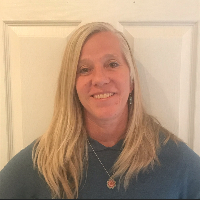
Oregon · 17 yrs exp
LCSW - Life purpose and coping with change
Stress, Anxiety · Grief · Bipolar · Depression · +12 more
Read profile
Oregon · 14 yrs exp
LPC in Oregon - Life purpose and coping issues
Stress, Anxiety · Addictions · Trauma and abuse · Depression · +10 more
Read profile
Oregon · 11 yrs exp
LPC and LMFT - Life purpose and career concerns
Stress, Anxiety · Grief · Career · Coping with life changes · +8 more
Read profile
Oregon · 16 yrs exp
LCSW - Stress and life changes
Stress, Anxiety · Grief · Self esteem · Depression · +1 more
Read profile
Oregon · 7 yrs exp
Oregon psychologist - life changes and identity
LGBT · Family · Grief · Depression · +9 more
Read profile
Oregon · 24 yrs exp
LCSW in Oregon - Life purpose and transitions
Stress, Anxiety · Grief · Career · Coping with life changes · +6 more
Read profile
Oregon · 12 yrs exp
Oregon LPC - Stress and life purpose
Stress, Anxiety · Trauma and abuse · Grief · Depression · +1 more
Read profile
Oregon · 15 yrs exp
LCSW - Stress and life changes
Stress, Anxiety · LGBT · Trauma and abuse · Depression · +1 more
Read profile
Oregon · 15 yrs exp
LCSW - Mood and trauma support
LGBT · Relationship · Trauma and abuse · Bipolar · +1 more
Read profile
Oregon · 5 yrs exp
LPC counselor - Life purpose and relationships
Stress, Anxiety · Relationship · Trauma and abuse · Self esteem · +1 more
Read profile
Oregon · 4 yrs exp
LCSW - Stress and Life Purpose
Stress, Anxiety · Trauma and abuse · Grief · Sleeping · +1 more
Read profile
Oregon · 25 yrs exp
LCSW - Stress and Life Purpose
Stress, Anxiety · Relationship · Self esteem · Career · +1 more
Read profile
Oregon · 3 yrs exp
LCSW - self esteem and life changes
Self esteem · Coping with life changes · Compassion fatigue
Read profile
Oregon · 21 yrs exp
LCSW therapist - stress and life purpose
Stress, Anxiety · Trauma and abuse · Grief · Self esteem · +1 more
Read profile
Oregon · 13 yrs exp
Licensed Clinical Social Worker - Life purpose and relationships
Stress, Anxiety · Addictions · Relationship · Trauma and abuse · +1 more
Read profile
Oregon · 6 yrs exp
LCSW - Trauma and Life Purpose
Stress, Anxiety · Trauma and abuse · Self esteem · Depression · +1 more
Read profile
Oregon · 40 yrs exp
LCSW - Relationships and Life purpose
Relationship · Trauma and abuse · Grief · Self esteem · +1 more
Read profileFeeling adrift after a job change, relationship transition, health event or a shift in life stage is common, and it can leave you wondering what matters most. You may notice low motivation, difficulty making decisions, or a pressure to appear like you have everything figured out. Those are valid concerns to bring to a conversation with a mental health professional. Therapy conversations about life purpose tend to focus on values, priorities, decision-making patterns, and the practical barriers that get in the way of acting on what matters to you.
When you read profiles on this page, look for language that reflects the kind of support you want. Some people want help clarifying values and creating step-by-step plans to test new directions. Others want attention to mood, grief, or identity questions that are interfering with forward movement. The profiles group practitioners by their listed location in Oregon, but the description of focus areas is what helps you match a clinician's interests and experience to your needs. If you are experiencing thoughts of harming yourself or are in immediate danger, contact emergency services or a national crisis line right away and seek local urgent help.
The profiles here show a listed location of Oregon. That indicates the place the professional has associated with their profile, not proof of an office or of current permission to practice in every situation. You should check each individual profile for details and confirm directly with the clinician whether they are permitted to work with you where you live. In the United States, permission to practice typically shows as a state license; degrees such as PhD, PsyD, MD, MA or MSW describe academic training but do not by themselves establish current permission to practice. In the United Kingdom and Australia, clinicians may hold professional registration or membership with recognized bodies - those are not the same as a US state license but do indicate a professional affiliation.
When you read a profile, notice how degrees and credentials are listed. A degree tells you about education. A licensure or registration statement signals a regulatory or membership relationship. Neither alone shows the scope of practice or whether a clinician has experience with your particular concern. Ask the clinician to clarify the relationship between their degree, their current regulatory status, and the kinds of issues they routinely work with.
Before you invest time in an introductory conversation, it helps to have concrete questions so you can compare profiles and approaches. You can ask how the clinician typically helps people who feel unsure about their direction - for example: How do you help clients who feel adrift after changing careers or ending a relationship? What kinds of goals do you typically set with people exploring purpose and values? If you have low mood, you can ask how they integrate support for motivation and daily functioning into their work.
Some profiles mention therapeutic approaches. Rather than assuming training or certification, ask clinicians to describe what it means in their practice when they list an approach. For example, you might say: I see you list acceptance-based and narrative approaches - can you describe how you use those in sessions? If a profile lists therapists who use EMDR among their approaches, you can ask whether they use it for trauma-related barriers to moving forward and how they assess suitability. Other practical questions include how they measure progress, what they consider a typical focus in the first few sessions, and how they tailor work to a client's cultural background or life stage.
If you are considering remote sessions from Oregon, there are particular points to cover so you understand whether the clinician can work with you. Start by asking whether they are permitted to provide care where you live and what that means for your situation. Clarify how they handle emergencies or crisis situations when you are not in the same jurisdiction. Ask about their approach to boundaries, communication between sessions, and what to expect if you need to pause work or change frequency.
It is also useful to discuss practical matters that affect how you experience sessions. Ask how they adapt their approach for clients who are motivated but uncertain about next steps, or for clients whose low mood reduces energy for exploration. If you have concerns about data privacy or record keeping, ask about their standard procedures for storing notes and communicating with you. Remember that online talk therapy is not the same as career coaching or religious guidance - if your needs are primarily career-focused or pastoral, ask the clinician how they see the distinction and whether they work alongside other professionals when appropriate.
When you scroll profiles, develop a simple comparison habit. First, note the focus areas that match your priorities - life purpose, direction and meaning may appear alongside related concerns such as adjustment to change, identity, motivation, or low mood. Read how each profile describes its emphasis and consider whether the language feels relevant to your situation. Second, look at credentials and education - a PhD, PsyD, MD, MA or MSW tells you about training, while a license, registration or professional membership indicates a regulatory or professional relationship. Third, check which languages the clinician lists so you know whether communication in a preferred language is available.
Finally, pay attention to the tone and style conveyed in the profile. Some clinicians describe a practical, goal-oriented style focused on experimenting and testing options. Others emphasize reflective work on values and narrative meaning. Ask direct comparison questions such as: Do you tend to focus on short-term decision-making or on deeper exploration of values? How do you support clients who need both mood support and direction work? How do you adapt when a client's priorities change mid-course? Use those answers to decide which profiles to pursue for a preliminary conversation.
Above all, verify details on individual profiles and confirm that a clinician can work with you where you live before proceeding. Profiles are a starting point to help you find a clinician whose stated focus and professional background fit what you're looking for. They do not guarantee a match, an office location, or a particular outcome. Take your time, prepare questions, and prioritize the practical fit as much as the description. If at any point your mood includes thoughts of self-harm or you are in immediate danger, contact emergency services or a local crisis line right away.
Control Issues
2725 therapists
Depression
4740 therapists
Grief
2615 therapists
Guilt and Shame
4844 therapists
Isolation / Loneliness
4703 therapists
Midlife Crisis
2489 therapists
Mood Disorders
2852 therapists
Panic Disorder and Panic Attacks
2651 therapists
Seasonal Affective Disorder (SAD)
1475 therapists
Self Esteem
4807 therapists
Social Anxiety and Phobia
3892 therapists
Stress & Anxiety
5997 therapists
Aging and Geriatric Issues
1353 therapists
Attachment Issues
3188 therapists
Career
1427 therapists
Caregiver Issues and Stress
3114 therapists
Coaching
746 therapists
Communication Problems
5359 therapists
Compassion Fatigue
1153 therapists
Coping with Life Changes
4090 therapists
Family
2268 therapists
Family of Origin Issues
1662 therapists
Forgiveness
4405 therapists
Life Purpose
6686 therapists
Money and Financial Issues
1579 therapists
Relationship
3940 therapists
Self-Love
5306 therapists
Workplace Issues
3326 therapists